Introduction
If your RCCB (Residual Current Circuit Breaker) trips unexpectedly, it can be frustrating, especially when there’s no visible fault. You need a systematic approach to identify the underlying issue without guesswork. This guide will help you troubleshoot RCCB trips effectively, ensuring safety and uninterrupted operation in your electrical systems.
Understanding RCCB Trips
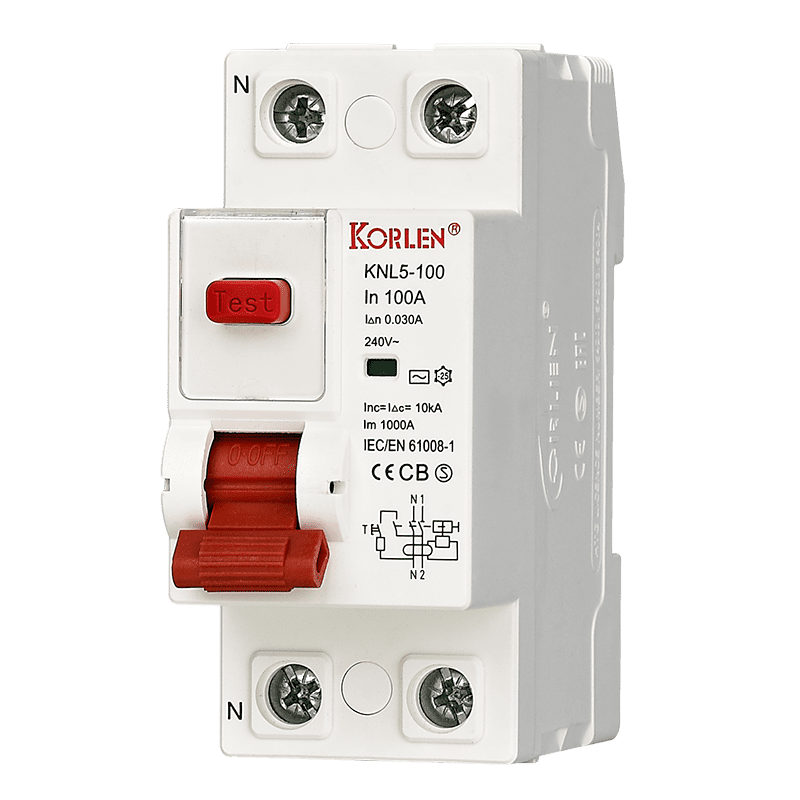
RCCBs are safety devices designed to protect people from electric shock by detecting leakage currents. When an RCCB trips with no visible fault, it doesn’t necessarily indicate a dangerous short circuit. Often, subtle factors such as wiring issues, leakage currents, or appliance faults are involved.
Step-by-Step Troubleshooting
step1. Check for Overloaded Circuits
An overloaded circuit can trigger RCCB trips. Even if no equipment appears faulty, cumulative load may exceed the RCCB’s rating.
- Switch off some appliances or redistribute the load across circuits.
- Verify total current does not exceed the RCCB’s rated capacity.
- Inspect the breaker panel for signs of overheating.
step2. Inspect Wiring and Connections
Loose or damaged wiring is a common cause of false trips.
- Look for loose terminals, corroded contacts, or frayed wires.
- Ensure neutral and earth wires are correctly connected.
- Use a multimeter to check for voltage leaks or irregularities.
step3. Test Individual Appliances
Sometimes, a faulty appliance can generate leakage current without visible damage.
- Switch off all appliances and reset the RCCB.
- Turn on appliances one by one to identify the culprit.
- Pay attention to water heaters, air conditioners, or kitchen appliances that handle moisture.
step4. Measure Earth Leakage
RCCB trips are triggered by leakage currents above its sensitivity threshold (usually 30mA or 100mA).
- Use an insulation resistance tester or megger to measure leakage.
- Identify sections of wiring causing leakage and isolate them.
- Repair or replace damaged insulation if detected.
step5. Inspect Environmental Factors
Moisture, dust, or corrosion can cause false tripping.
- Check for damp areas around switches and junction boxes.
- Ensure appliances and wiring in bathrooms or kitchens are moisture-proof.
- Clean terminals and panels to prevent dust-induced leakage paths.
step6. Consider RCCB Sensitivity and Type
Sometimes, the RCCB itself may be overly sensitive or defective.
- Check the rated current and leakage sensitivity of your RCCB.
- Replace the RCCB with a suitable type if necessary.
- Ensure the replacement meets local safety standards.
|
Step
|
Action
|
Tools / Notes
|
|
Overloaded Circuits
|
Reduce load, redistribute appliances
|
Load calculator, breaker panel
|
|
Wiring and Connections
|
Tighten terminals, check insulation
|
Screwdriver, multimeter
|
|
Individual Appliances
|
Test appliances one by one
|
Appliance tester, RCCB reset
|
|
Measure Earth Leakage
|
Measure leakage currents, isolate circuits
|
Megger, insulation resistance tester
|
|
Environmental Factors
|
Check for moisture, dust, corrosion
|
Visual inspection, cleaning tools
|
|
RCCB Sensitivity & Type
|
Verify rating, replace if needed
|
Manufacturer specs, replacement RCCB
|
FAQs
Why does my RCCB trip when no appliance is turned on?
This may occur due to wiring issues, moisture, or residual leakage currents in the system. Inspect connections and measure insulation resistance.
Can an old RCCB cause false trips?
Yes. Aging or faulty RCCBs can become overly sensitive. Testing or replacing the device is recommended.
Is it safe to reset the RCCB repeatedly?
Repeated resetting without investigation can be unsafe. Always identify the cause before resetting multiple times.
Which appliances commonly cause RCCB trips?
Water heaters, air conditioners, and kitchen appliances with moisture exposure often cause leakage currents.
Do environmental factors affect RCCB performance?
Yes. Moisture, dust, and corrosion can create false leakage paths, triggering unnecessary trips.
Conclusion
You can troubleshoot RCCB trips efficiently by systematically checking circuits, wiring, appliances, leakage, and environmental factors. Ensuring the RCCB rating matches your system and inspecting for hidden faults keeps your electrical installations safe. For high-quality RCCBs and expert guidance, Korlen offers reliable products tailored to your needs—get the right solution for uninterrupted safety today!