Introduction
RCCBs (Residual Current Circuit Breakers) are essential for protecting your electrical systems from faults that can lead to fires or electrical shock. However, improper installation can cause your RCCB to trip frequently, disrupting your electrical supply. In this blog, we will explore common installation mistakes that cause RCCB tripping and provide tips on how to avoid them. With the right knowledge and installation, you can prevent unnecessary RCCB tripping and ensure your system operates smoothly.
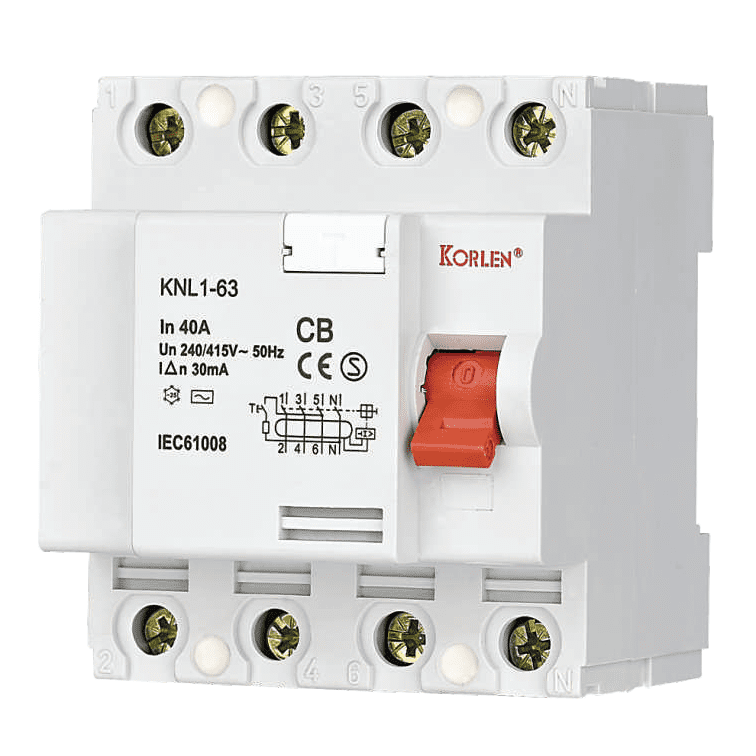
Common RCCB Installation Mistakes
Incorrect installation of RCCB is one of the primary reasons for frequent tripping. Here are some of the most common mistakes that can lead to RCCB issues:
- Improperly Sized RCCB: Using an RCCB that is not correctly rated for the electrical load or the type of circuit can cause frequent tripping.
- Incorrect Wiring Connections: Failing to wire the RCCB properly can lead to malfunction, making it prone to tripping.
- Faulty Earth Connections: If the earthing is inadequate or improperly connected, the RCCB will not function as intended, leading to false trips.
- Overloading Circuits: When circuits are overloaded or when there’s a mismatch between the RCCB and circuit capacity, the RCCB may trip unnecessarily.
How Incorrect Wiring Causes RCCB to Trip
One of the main reasons your RCCB might trip is poor wiring. Common wiring errors include:
- Neutral and Earth Wires Mixed Up: This can create an imbalance in the current flow, causing the RCCB to detect a fault and trip.
- Incorrect Phase Connection: Incorrectly connecting the live and neutral wires to the wrong terminals can result in the RCCB tripping.
- Loose Wiring: Loose connections in the wiring can create intermittent faults, leading to tripping.
Ensuring all wiring is done properly is crucial for RCCB function.
Misunderstanding RCCB Sensitivity and Its Impact on Tripping
RCCBs come with different sensitivity levels (measured in milliamps), which determine how quickly they respond to leakage currents. Many installation failures occur when the sensitivity is set too low, causing the RCCB to trip even under normal conditions.
- Low Sensitivity: Can result in false trips, especially when the system has small or temporary leakage currents.
- High Sensitivity: May fail to trip when needed if the fault is too severe.
It is important to ensure the sensitivity settings are correctly adjusted based on your building’s electrical load.
Faulty Connections and Electrical Fault Diagnosis
Another hidden cause of RCCB tripping is faulty connections. Loose or corroded connections can create resistance in the circuit, leading to overheating or small leakage currents that trip the RCCB. Regularly inspecting electrical connections and diagnosing faults can prevent these issues.
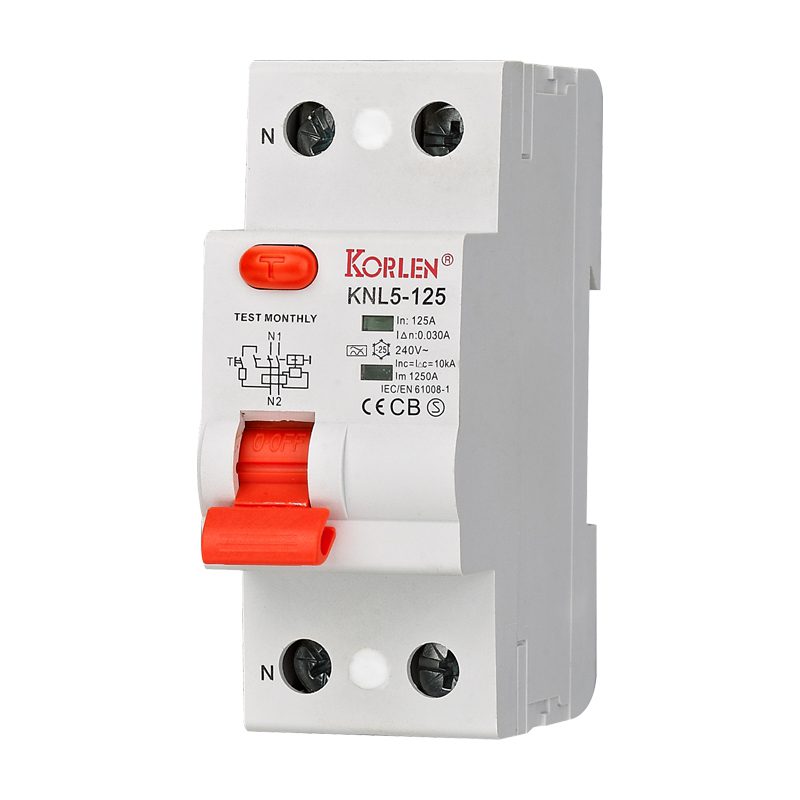
Proper RCCB Protection Function and Its Role in Preventing Tripping
The RCCB is designed to trip only when it detects an imbalance in current, indicating a fault. If the protection function is working properly, it will only trip when necessary. Incorrect installation or faulty wiring can interfere with this protection function, leading to unnecessary trips.
Make sure that:
- The RCCB is installed in accordance with the manufacturer’s guidelines.
- It is regularly tested to ensure the protection function is active.
Common Electrical Wiring Problems Leading to RCCB Tripping
Some other wiring issues that may cause RCCB tripping include:
- Faulty Circuit Design: Incorrect circuit design can create conditions that are more likely to cause electrical faults.
- Overloaded Electrical Circuits: When too many devices are connected to a single circuit, the RCCB may trip due to overload.
- Short Circuits: A short circuit in the system can immediately trigger the RCCB to trip to prevent fire hazards.
How to Fix RCCB Tripping
If your RCCB is tripping unexpectedly, here’s what you can do:
- Inspect the Wiring: Check the wiring for any loose connections or wiring errors.
- Check the RCCB Rating: Ensure that the RCCB is appropriately rated for your electrical system.
- Test the Sensitivity: Adjust the sensitivity settings of the RCCB, if needed, to prevent false trips.
- Examine the Load: Reduce the load on circuits that may be overloaded.
Troubleshooting and Maintenance Tips for RCCBs
Regular maintenance and troubleshooting are essential to prevent RCCB tripping. Here’s how you can maintain your RCCB:
- Check for Dirt and Corrosion: Dirt or corrosion can interfere with the RCCB’s functionality.
- Test Regularly: Perform regular tests to ensure the RCCB is functioning properly and tripping when necessary.
- Use Quality Components: Ensure that your RCCB and all electrical components are of high quality to prevent malfunction.
FAQs
Why does my RCCB trip without any apparent fault?
It could be due to improper wiring, sensitivity settings that are too low, or faulty connections.
How can I stop my RCCB from tripping?
Check for common wiring mistakes, ensure the RCCB is properly rated for the system, and regularly test and maintain the device.
Can an RCCB trip due to overload?
Yes, if circuits are overloaded, it can cause the RCCB to trip.
Conclusion
Hidden installation mistakes are often the root cause of RCCB tripping. Whether it’s improper wiring, incorrect sensitivity settings, or faulty connections, addressing these issues can help prevent unnecessary trips. By ensuring proper installation, regular testing, and maintenance, you can keep your RCCB functioning as intended and protect your electrical system.
At Korlen, we offer high-quality RCCBs that ensure your electrical systems are safe and reliable. Don’t let improper installation cause unnecessary disruptions—upgrade your RCCBs with Korlen today for enhanced protection.