Introduction
Arc safety is critical in industrial settings where high voltage equipment is in operation. Arcing can lead to severe damage, fires, and even personal injury. In this blog, we’ll explore how isolating switches improve arc-safety in industrial control panels, keeping your systems and personnel safe. By understanding the role of isolating switches, you can make better decisions for electrical safety in your industrial applications.
What Are Isolating Switches?
Isolating switches are safety devices used to disconnect electrical circuits from the power supply for maintenance or during faults. They are designed to safely isolate sections of the electrical system, preventing the flow of electricity and minimizing the risk of arcing. These switches play an essential role in controlling power distribution while ensuring that no dangerous arcs occur when the circuit is opened.
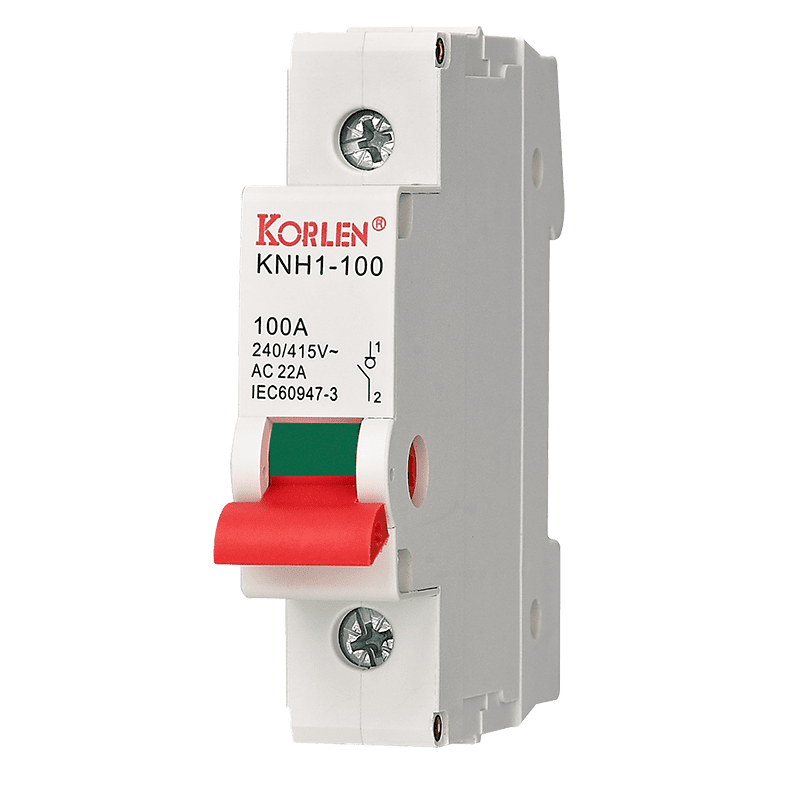
The Importance of Arc-Safety in Industrial Control Panels
In industrial control panels, electrical arcs can cause significant damage to both equipment and personnel. Arcing occurs when the electrical current jumps across an air gap between contacts in a switch or circuit breaker. This can lead to:
- Fires: The intense heat generated by arcing can easily ignite nearby materials.
- Equipment Damage: Arcs can melt wires, damage circuit breakers, or cause expensive equipment failures.
- Personal Injury: Arcing can cause severe burns or electrical shock to workers. Given these risks, maintaining arc-safety in control panels is crucial to the overall safety of the facility.
How Isolating Switches Prevent Arcing
Isolating switches are specifically designed to prevent arcing by providing a safe method to disconnect the circuit. Here’s how they work:
- Quick Disconnection: Isolating switches quickly and reliably break the electrical circuit, minimizing the chance of arcing.
- Smooth Switching: They are designed to switch on and off smoothly, preventing sudden surges of electrical current that can cause arcs.
- Built-In Arc Quenching: Some isolating switches have arc-quenching features, such as contacts designed to extinguish the arc as soon as it forms.
By preventing arcs, isolating switches help maintain the integrity of your electrical system and protect both equipment and personnel from dangerous conditions.
Isolating Switches vs. Other Switching Devices for Arc-Safety
There are several types of switching devices used in industrial systems, each offering varying levels of arc protection. Here’s how isolating switches compare:
- Isolating Switches: Best for disconnecting circuits and preventing arcing during maintenance or fault conditions.
- Circuit Breakers: Designed to detect faults like short circuits and overloads. While they also provide arc protection, their primary function is fault detection and protection.
- Load Break Switches: These are similar to isolating switches but are specifically designed to break a live circuit under load. While they can handle higher loads, they are not always as effective at preventing arcing as isolating switches.
When it comes to arc safety, isolating switches offer the most effective solution for safely disconnecting circuits.
Types of Isolating Switches Used in Industrial Control Panels
Isolating switches come in various types, each suited for specific applications. Some common types include:
- Rotary Isolators: These are manual switches that allow the operator to rotate a handle to isolate the circuit. They are commonly used in smaller industrial systems.
- Motorized Isolators: These are automatic isolating switches powered by a motor, making them ideal for larger systems where manual operation isn’t practical.
- Load-Break Isolators: These are specialized switches capable of disconnecting circuits under load, offering both isolation and load-break functionality.
The type of isolating switch you choose will depend on the size of your system, the level of automation, and the specific safety needs of your application.
How Isolating Switches Enhance Overall Electrical Safety
Isolating switches not only prevent arcing but also enhance overall electrical safety by:
- Preventing Electrical Shock: By disconnecting the power supply, isolating switches reduce the risk of electrical shock during maintenance or repair work.
- Improving System Reliability: These switches ensure that the system operates smoothly without unnecessary interruptions due to arc faults.
- Complying with Safety Regulations: Installing isolating switches helps meet safety standards and regulations for electrical systems, ensuring a safer working environment.
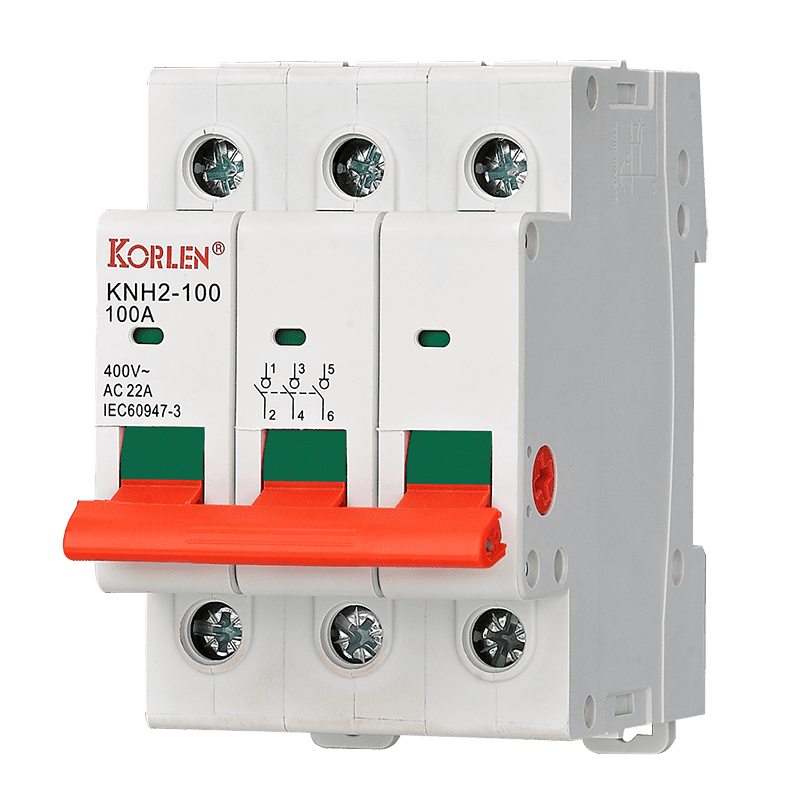
Key Benefits of Isolating Switches for Arc-Safety
The key benefits of using isolating switches in industrial control panels include:
- Arc-Fault Prevention: They are specifically designed to minimize the risk of electrical arcing.
- Reliable Isolation: Isolating switches provide reliable and safe disconnection of electrical circuits, protecting both equipment and workers.
- Improved Maintenance Safety: With isolating switches, maintenance personnel can safely work on electrical systems without the risk of arc-related injuries.
Installing Isolating Switches for Maximum Arc Protection
To achieve maximum arc protection, isolating switches must be installed correctly. Here’s how to ensure effective installation:
- Consult a Professional: Always hire a qualified electrician to install isolating switches to ensure proper setup.
- Choose the Right Switch: Select the appropriate isolating switch based on your system’s voltage and current requirements.
- Regular Testing and Maintenance: Ensure that isolating switches are regularly tested to confirm they are functioning as intended.
FAQs
What is the difference between isolating switches and circuit breakers?
Isolating switches are designed to safely disconnect circuits, while circuit breakers provide overcurrent protection and detect faults like short circuits. Isolating switches are better suited for preventing arcing during maintenance.
Can isolating switches be used in all industrial applications?
Yes, isolating switches are versatile and can be used in various industrial applications, particularly where arc-safety and electrical isolation are critical.
How often should isolating switches be maintained?
Isolating switches should be tested periodically and maintained regularly to ensure they are operating correctly and providing the necessary protection.
Conclusion
Isolating switches play a crucial role in improving arc-safety in industrial control panels. By preventing arcing, enhancing overall electrical safety, and providing reliable disconnection, these switches are essential for protecting both your electrical system and the people who work with it.
At Korlen, we offer a wide range of isolating switches designed to meet the highest standards of safety and performance. Ensure your systems are arc-safe by upgrading to Korlen’s isolating switches today.