Introduction
As an industrial electrician or maintenance professional, you know how crucial it is to ensure that your electrical systems remain in top condition. One key factor in maintaining the longevity and reliability of your equipment is addressing thermal cycling—the repeated expansion and contraction of electrical components due to temperature changes. In this blog, we’ll walk you through the industrial electrical components that require re-tightening after thermal cycling and explain why it’s vital for safety and performance.
What is Thermal Cycling?
Thermal cycling refers to the repeated expansion and contraction of electrical components as temperatures rise and fall. When electrical components experience temperature changes, materials expand and contract, which can lead to loosened connections and potential failures. Over time, these temperature fluctuations can cause wear and tear, reducing the lifespan of the components if not addressed.
Proper maintenance, including re-tightening critical components, helps prevent issues such as overheating, short circuits, and system failures.
Key Industrial Electrical Components That Must Be Re-tightened After Thermal Cycling
Circuit Breaker Terminals
Circuit breakers are essential for protecting electrical systems from overloads and short circuits. However, thermal cycling can cause the terminals where wires are connected to loosen over time. Loose connections increase resistance, potentially leading to overheating or even failure of the breaker. It’s important to regularly inspect and re-tighten the connections to ensure reliable performance.
Busbar Connections
Busbars are critical components used to distribute electricity in industrial systems. When subject to thermal cycling, the connections on busbars can loosen, leading to poor conductivity and potential system failures. Re-tightening busbar connections helps maintain optimal current flow and prevents heating issues.
Electrical Connectors and Terminals
Electrical connectors, including terminals, are designed to ensure proper contact between wires and electrical devices. These components are especially susceptible to loosening due to thermal cycling. When connectors and terminals are loose, they can cause electrical resistance, heat buildup, and eventually failure. Routine maintenance includes checking and tightening all electrical connectors and terminals.
Motor Connections
Motors, whether used in manufacturing, HVAC, or other industrial applications, experience significant temperature variations during operation. Over time, the motor connections can become loose due to thermal cycling. Loose connections can lead to poor motor performance, overheating, and even motor failure. Ensure the motor connections are regularly inspected and tightened to keep the motor running efficiently.
Busway Joints
Busway systems are widely used in industrial electrical distribution. The joints where busbars connect to the busway system are vulnerable to loosening as temperatures fluctuate. Ensuring that these joints are tightly secured after thermal cycling will help prevent power loss, overheating, and system failures.
Why Re-tightening is Important for Safety and Reliability
Thermal cycling can result in a gradual loss of tightness in electrical connections, which may not be immediately noticeable. However, this loosening can cause:
- Increased Electrical Resistance: Loose connections create high resistance, which can result in overheating and even fires.
- Reduced System Efficiency: Components that are not tightly secured may not function at optimal efficiency, leading to energy waste and system inefficiencies.
- Potential Equipment Failure: Over time, loose connections can cause components to fail completely, resulting in costly repairs and downtime.
Regularly re-tightening these critical components ensures that your system remains safe, efficient, and reliable.
Why Choose Korlen’s Industrial Electrical Components?
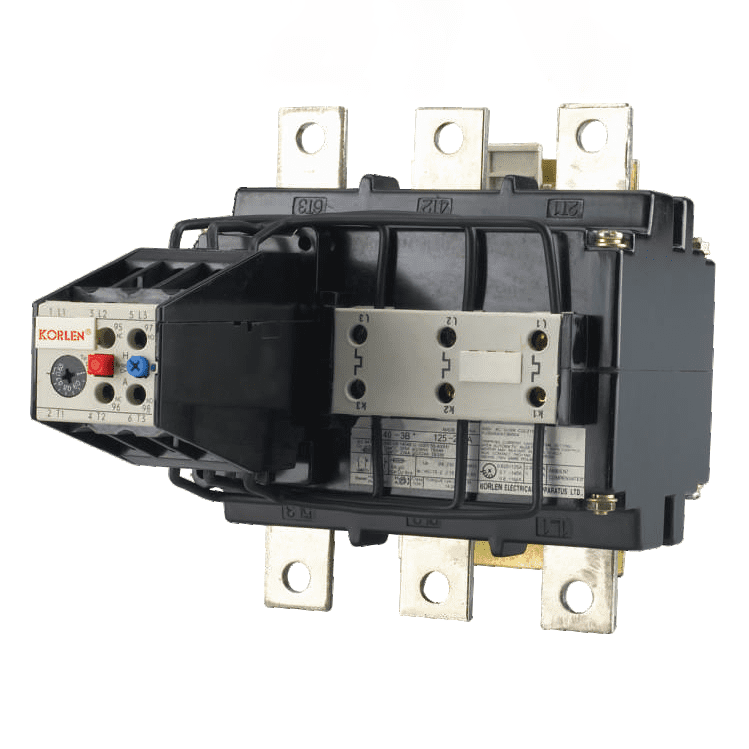
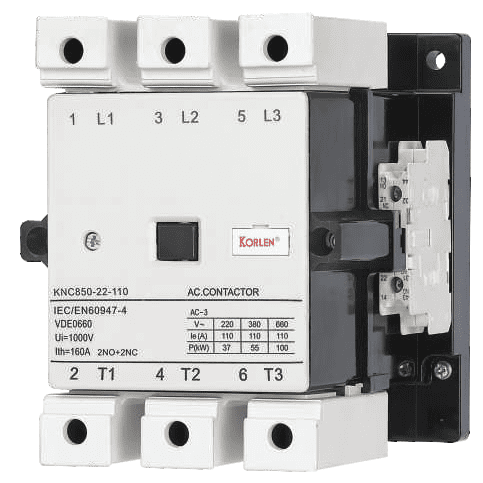
At Korlen, we understand the importance of maintaining your industrial electrical systems. Our products are designed for durability and high performance, withstanding thermal cycling and offering long-lasting reliability. Whether you need circuit breakers, busbars, electrical connectors, or motors, Korlen has the right solutions for your needs.
Ensure your systems remain in optimal condition with Korlen’s reliable electrical components.
FAQs
Q: How often should I re-tighten electrical components after thermal cycling?
The frequency of re-tightening depends on the environment and temperature fluctuations. However, it’s recommended to inspect and tighten critical components at least once a year or after significant temperature changes.
Q: Can I prevent thermal cycling from affecting my components?
While you can’t eliminate thermal cycling entirely, proper insulation, ventilation, and using high-quality components can help minimize the impact and reduce the frequency of required re-tightening.
Q: What are the signs that my electrical components need re-tightening?
If you notice overheating, unusual odors, sparking, or poor system performance, it’s a clear sign that connections may be loose and require re-tightening.
Q: Does Korlen offer components designed to withstand thermal cycling?
Yes, Korlen offers a wide range of industrial electrical components that are designed to handle thermal cycling and provide long-lasting, reliable performance.
Conclusion
Re-tightening electrical components after thermal cycling is crucial for the longevity, safety, and efficiency of your industrial electrical systems. Regular maintenance of components like circuit breakers, busbars, connectors, and motors can prevent costly failures and system downtime. Choose Korlen for durable, reliable electrical components that keep your systems running smoothly.
Ensure the longevity and safety of your industrial equipment with Korlen’s high-quality products.