Introduction
When choosing the right circuit protection device for your electrical system, you may come across two popular options: Miniature Circuit Breakers (MCBs) and Residual Current Circuit Breakers (RCCBs). Both provide vital protection, but they serve different functions and applications. In this blog, we’ll explore the differences between MCBs and RCCBs, helping you make an informed decision to better protect your system. With Korlen products, you can trust that you’re getting high-quality, reliable circuit protection for residential and commercial use.
What is a Miniature Circuit Breaker (MCB)?
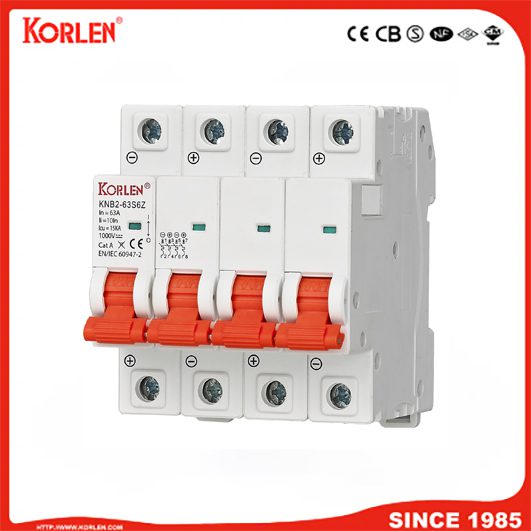
A Miniature Circuit Breaker (MCB) is a safety device designed to protect an electrical circuit from overcurrent conditions caused by short circuits or overloads. MCBs are primarily used in low-voltage circuits to prevent excessive current from damaging wires, devices, or appliances.
MCB Key Features:
- Overcurrent Protection: Trips when the current exceeds the rated value.
- Short Circuit Protection: Protects against sudden surges of current caused by short circuits.
- Compact Size: Ideal for space-constrained applications.
What is a Residual Current Circuit Breaker (RCCB)?
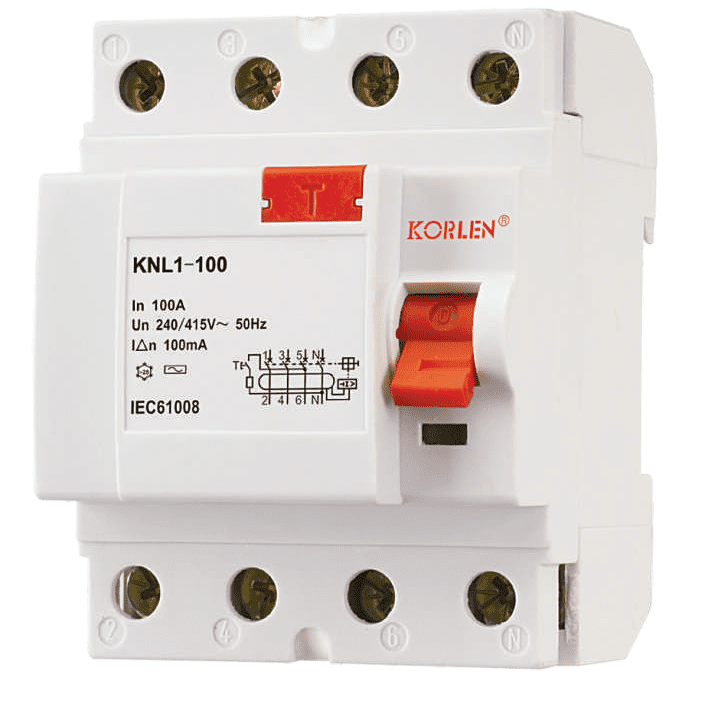
An RCCB, on the other hand, is designed to protect people from electrical shock by detecting earth leakage current. It trips when it detects an imbalance between the live (phase) and neutral wires, indicating that some current may be leaking to the ground, potentially posing a risk of electrocution.
RCCB Key Features:
- Earth Leakage Protection: Detects leakage currents and prevents electrical shock.
- Prevents Electrical Hazards: Trips when imbalance is detected between phase and neutral.
- Sensitive to Small Currents: Highly sensitive to leakage currents as low as 5mA.
MCB vs RCCB: Key Differences
Protection Type
- MCB: Provides protection against overcurrent (both overloads and short circuits).
- RCCB: Offers protection against earth leakage and electrical shock by detecting unbalanced currents.
Use Case
- MCB: Primarily used to protect circuits and appliances from damage due to excess current.
- RCCB: Used in residential and commercial buildings to prevent electrical shock hazards, particularly in wet or outdoor areas.
Installation
- MCB: Installed in individual circuits to protect devices and wiring.
- RCCB: Installed in distribution boards or circuit breaker panels to monitor and protect multiple circuits.
Rated Sensitivity and Trip Characteristics
- MCB: Typically trips at a predefined overcurrent level, like 10A, 16A, etc.
- RCCB: Triggers a trip when the leakage current is higher than a set threshold, typically starting from 5mA.
When to Use MCB, RCCB, or Both
Residential Applications
In a typical home, MCBs are used to protect each circuit, while an RCCB is essential to safeguard against electrical shock from leakage currents, especially in bathrooms, kitchens, or outdoor areas.
Commercial Applications
For commercial properties, both MCBs and RCCBs play crucial roles in providing complete protection. While MCBs safeguard equipment and devices, RCCBs offer essential protection for personnel working in areas prone to leakage hazards.
MCB and RCCB Installation Best Practices
- Ensure correct sizing of MCBs based on circuit requirements.
- Install RCCBs where leakage currents are a concern, such as in high-moisture areas or locations with vulnerable equipment.
- Proper wiring and installation of both MCB and RCCB should always be done by a qualified professional to ensure safety and compliance with local standards.
FAQs
Q: Which provides better protection, MCB or RCCB?
MCBs provide protection against overcurrent and short circuits, while RCCBs protect against earth leakage and electrical shocks. Both are essential in different scenarios.
Q: Can I use just an MCB in my home?
It’s essential to have both an MCB for overcurrent protection and an RCCB for earth leakage protection to ensure complete safety in the home.
Q: What is the difference between an overload and leakage protection?
Overload protection (provided by MCBs) prevents circuits from being damaged by excessive current, while leakage protection (provided by RCCBs) prevents electrocution by detecting leakage currents.
Q: Should I use MCBs or RCCBs in commercial buildings?
Both are necessary in commercial buildings for complete protection: MCBs protect against overcurrent, and RCCBs protect against leakage currents and electrical shocks.
Conclusion
Choosing the right circuit protection device for your electrical system is essential for safety and efficiency. MCBs are crucial for overcurrent protection, while RCCBs are vital for preventing electrical shocks due to leakage currents. In many cases, using both together ensures complete protection. With Korlen products, you get reliable and safe protection solutions for your electrical installations. Don’t compromise on safety – choose the right protection for your home or business today!