Introduction
If you notice any unusual behavior in your Air Circuit Breaker (ACB), it might be signaling an arc fault. Understanding the signs can help you avoid costly damages. In this blog, we’ll discuss the key arc fault indicators and why immediate inspection of your ACB is crucial for safety and functionality.
Common Arc Fault Symptoms in ACBs
- Unusual Sounds: Humming or buzzing noises can be signs of arc faults in your ACB.
- Smoke or Burning Smell: A burning smell or visible smoke coming from the breaker often indicates a potential arc fault.
- Tripping Circuit Breaker: Frequent or unexplained tripping of the ACB may be caused by an arc fault.
- Abnormal Temperature: An overheated ACB, especially if parts of it are unusually hot, can be a warning sign.
- Discoloration: Any visible signs of discoloration on the ACB can indicate that arc faults have occurred.
How Arc Faults Affect Your ACB’s Performance
Arc faults are dangerous and can cause severe damage to electrical systems, resulting in costly repairs. When an arc fault occurs, it generates high heat, which can weaken or damage the ACB components over time. In severe cases, it can even lead to electrical fires.
Understanding the mechanism behind arc faults helps you identify the issue early, preventing long-term damage to your ACB and electrical systems. Regular inspection and maintenance of your ACB can keep these faults from becoming a bigger problem.
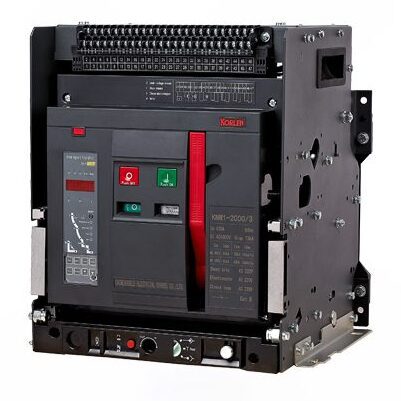
Why Immediate Inspection is Crucial
An arc fault can escalate quickly if not addressed. Immediate inspection ensures that the ACB is functioning properly and prevents potential electrical hazards. Ignoring arc faults can lead to extensive damage, downtime, or even fire risks, making early detection and inspection essential.
Regular ACB inspections will also help you extend its lifespan and improve overall system efficiency. If your ACB is showing any arc fault symptoms, contact a professional immediately to ensure safety and proper functioning.
How to Prevent Arc Faults in Your ACB
- Regular Maintenance: Conducting periodic maintenance checks will help spot potential issues before they turn into major faults.
- Use High-Quality Breakers: Invest in high-quality ACBs that are designed to withstand electrical stresses.
- Proper Installation: Ensure that your ACB is installed correctly, according to the manufacturer’s guidelines.
- Avoid Overloading: Avoid overloading the circuit, as it can lead to excessive heat and arc faults.
- Use Arc Fault Detection Technology: Installing arc fault detection devices can help identify faults early and prevent further damage.
FAQs
Q: What are the main causes of arc faults in ACBs?
Arc faults typically occur due to poor connections, component degradation, or electrical overloads.
Q: How often should I inspect my ACB for arc faults?
ACBs should be inspected regularly, at least once a year, or sooner if any symptoms of arc faults appear.
Q: Can I continue using my ACB after noticing an arc fault?
No, continued use can cause further damage. It’s essential to conduct an immediate inspection and repair or replace faulty parts.
Conclusion
Addressing arc faults immediately is crucial for maintaining your ACB’s performance and safety. If you notice any signs of an arc fault, don’t wait—schedule an inspection with Korlen’s expert team today to keep your electrical systems running smoothly and safely.