Introduction
When it comes to electrical safety and protection, circuit breakers are indispensable. These devices are designed to interrupt the flow of current in the event of an overload, short circuit, or other electrical faults. Choosing the right circuit breaker for your application is crucial to ensure both safety and efficiency in your electrical systems. In this guide, we’ll compare different types of circuit breakers and help you decide which one is best suited for your needs.
What Are Circuit Breakers?
A circuit breaker is an automatically operated electrical switch that protects an electrical circuit from damage caused by overload or short circuits. It works by detecting a fault condition and interrupting the flow of current. Unlike a fuse, which needs to be replaced after it blows, a circuit breaker can be reset and reused. They come in various types and sizes, depending on the voltage, current, and application requirements.
Types of Circuit Breakers
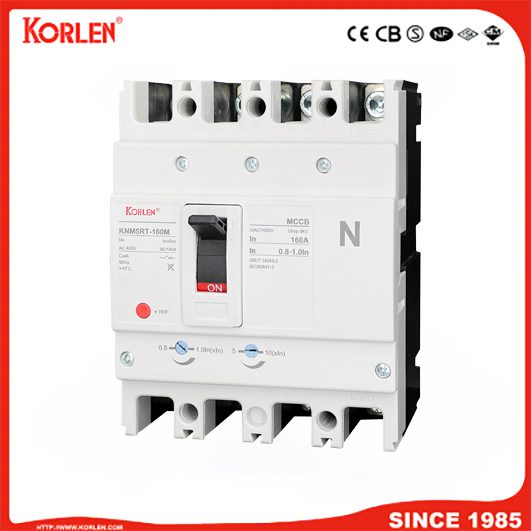
MCCB (Molded Case Circuit Breaker)
MCCBs are widely used in industrial and commercial applications due to their high breaking capacity and adjustable trip settings. These circuit breakers are designed to protect electrical systems from overload and short circuits. MCCBs can handle higher currents than MCBs and are often used in systems requiring protection in the range of 100 to 2500 amps. They come with adjustable trip settings for overload protection, providing flexibility in system design.
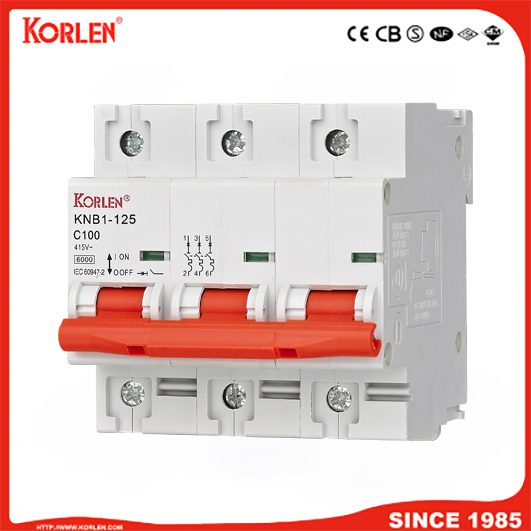
MCB (Miniature Circuit Breaker)
MCBs are compact, affordable circuit breakers designed for use in residential and light commercial applications. They provide protection against overloads and short circuits in low-voltage circuits, typically rated from 0.5 to 100 amps. MCBs are commonly found in electrical panels in homes, offices, and small businesses.
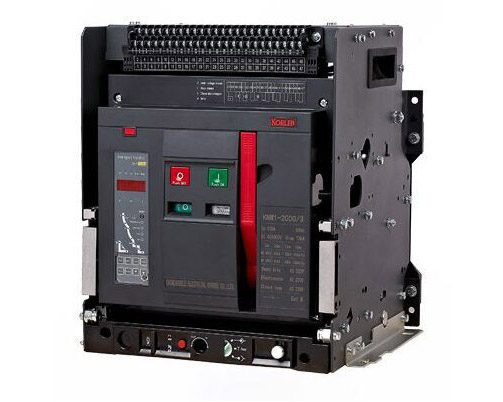
ACB (Air Circuit Breaker)
ACBs are used in high-voltage applications and are often seen in industrial power distribution systems. They are designed to interrupt high current flows (up to 6000 amps or more) and are capable of handling large electrical loads. ACBs are typically used in systems with voltages over 1000V and are often employed in power plants and substations.
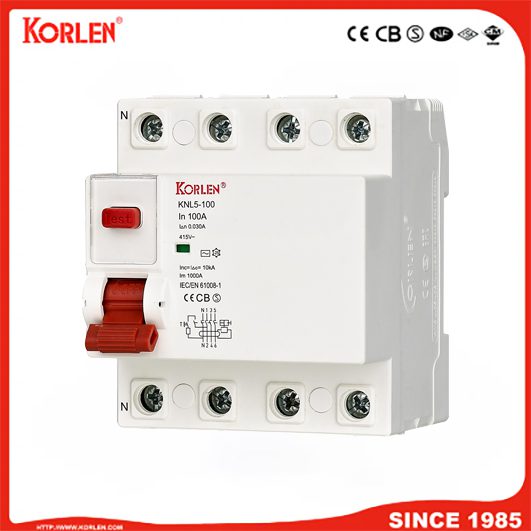
RCCB (Residual Current Circuit Breaker)
RCCBs protect against earth leakage currents that may cause electric shocks. They are commonly used in residential and industrial electrical installations to prevent electrical accidents. RCCBs monitor the flow of electricity through a circuit and disconnect the power when there is a difference in the current between the live and neutral conductors, indicating leakage.
How to Choose the Right Circuit Breaker for Your Application
Choosing the right circuit breaker depends on several factors:
- Current Rating: Make sure the circuit breaker can handle the required current for your application.
- Voltage Rating: Ensure the breaker is rated for the voltage level in your system.
- Type of Protection: Consider the specific type of protection you need, such as overload protection (MCCB), earth leakage protection (RCCB), or general short circuit protection (MCB).
- Application: Determine if the circuit breaker will be used in residential, commercial, or industrial environments.
- Size and Space: Consider the physical size of the breaker and the available space in your electrical panel.
Advantages and Disadvantages of Different Circuit Breaker Types
|
Type
|
Pros
|
Cons
|
|
MCCB
|
Adjustable settings, high breaking capacity
|
Larger size, higher cost
|
|
MCB
|
Compact, affordable, easy to install
|
Limited current rating, not for high-power use
|
|
ACB
|
High breaking capacity, suitable for high-voltage applications
|
Expensive, requires more space
|
|
RCCB
|
Provides protection against electric shocks, detects leakage
|
Does not protect against overloads or short circuits
|
Applications of Circuit Breakers in Industrial Systems
In industrial systems, circuit breakers are used to protect equipment, machines, and electrical infrastructure from potential damage caused by overloads and faults. They are commonly used in:
- Power Plants: Protecting high-voltage systems and equipment.
- Factories: Ensuring safety in machinery and distribution systems.
- Data Centers: Protecting critical electrical systems from faults.
- Oil and Gas: Providing protection in hazardous environments.
FAQs
Q: What’s the difference between MCCB and MCB?
MCCBs are designed for higher current ratings and industrial applications, while MCBs are typically used in residential and small commercial settings.
Q: Can RCCB prevent electrical fires?
RCCBs are designed to protect against electric shocks and earth leakage, but they cannot prevent electrical fires caused by overloads or short circuits.
Q: Which circuit breaker should I use for industrial applications?
For industrial applications, MCCBs or ACBs are recommended due to their higher current ratings and ability to handle large electrical loads.
Conclusion
Choosing the right circuit breaker depends on your application’s voltage, current, and protection requirements. Understanding the differences between MCB, MCCB, ACB, and RCCB will help you make an informed decision to keep your electrical systems safe and efficient. At Korlen, we offer a wide range of high-quality circuit breakers suitable for various industrial, commercial, and residential applications. Contact us today to learn more about our products!