Introduction
When designing your electrical panel, choosing the right protection and isolation devices is crucial. Understanding the roles of air circuit breakers (ACBs) and isolating switches will help you make informed decisions. Both devices have essential functions, but which one is the best choice for your application? This guide will help you decide.
What is an Air Circuit Breaker (ACB)?
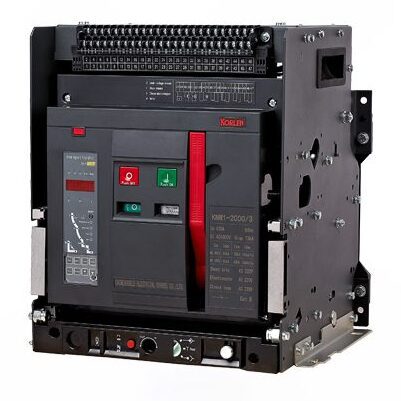
An air circuit breaker (ACB) is a protective device designed to interrupt the flow of electricity in case of overcurrent, short circuit, or fault. ACBs are used primarily in low to medium voltage electrical systems, providing automatic protection by breaking the circuit when dangerous conditions arise. They offer various features like adjustable trip units, remote operation, and motorized versions.
What is an Isolating Switch?
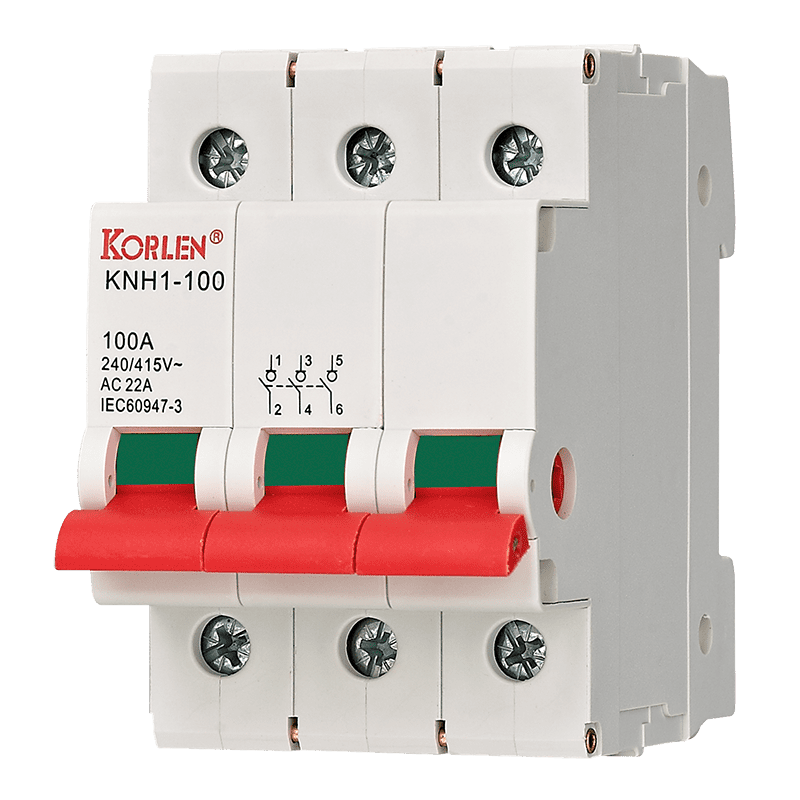
An isolating switch is a manual or motorized device used to isolate a section of an electrical system for maintenance, inspection, or safety. Unlike ACBs, isolating switches do not provide protection against faults; they are purely for isolating circuits to ensure safe operation during maintenance. Isolating switches must be operated when there is no power in the circuit.
What is the Main Difference Between an Air Circuit Breaker and an Isolating Switch?
|
Feature
|
Air Circuit Breaker (ACB)
|
Isolating Switch
|
|
Function
|
Protection against overcurrent and short circuits
|
Isolation of circuits for maintenance
|
|
Operation
|
Automatic, trips during faults
|
Manual or motorized, no automatic protection
|
|
Safety
|
High, protects equipment and personnel
|
Provides safety isolation during maintenance
|
|
Cost
|
Higher due to advanced protection features
|
Lower cost, simpler design
|
|
Maintenance
|
Requires regular testing and calibration
|
Requires less maintenance
|
|
Use Case
|
Active protection in operational systems
|
Safe disconnection during maintenance
|
Summary:
The primary difference lies in the function: ACBs offer automatic protection against faults, while isolating switches are designed for manually isolating circuits during maintenance.
Applications of Air Circuit Breakers
- Protection in industrial electrical panels
- High-current applications (up to 6,300 A)
- Protecting transformers, generators, and motors
- When automatic fault detection and interruption are required
- Used in critical infrastructure such as data centers and manufacturing plants
Applications of Isolating Switches
- Used for safely isolating circuits during maintenance or repairs
- Ideal for low-voltage systems where overcurrent protection is not necessary
- Common in power distribution boards for emergency shut-offs
- Essential for lockout/tagout procedures and electrical safety standards
- Used in conjunction with other protection devices for enhanced safety
ACB vs Isolator: Cost and Installation Considerations
- Cost: ACBs tend to be more expensive due to their automatic protection features, while isolating switches are simpler and more affordable.
- Installation: ACBs require proper calibration and regular testing. Isolating switches are easier to install but require careful consideration of the safety procedures during use.
- Space: ACBs may need more space due to their complexity, whereas isolating switches are typically compact.
When to Use an ACB vs an Isolating Switch
- ACB: Choose an air circuit breaker when you need automatic protection, particularly in high-current applications, where protection against short circuits or overloads is critical.
- Isolating Switch: Use an isolating switch when you need to isolate circuits for maintenance, inspection, or emergency shut-downs, especially when protection is not necessary.
Choosing the Right Device for Your Electrical Panel
When deciding between an ACB and an isolating switch for your electrical panel, consider the following factors:
- Application type: Do you need automatic fault protection, or are you looking to isolate circuits during maintenance?
- Budget: ACBs are more expensive, while isolating switches are budget-friendly.
- Safety requirements: For critical infrastructure, ACBs are preferred, but for low-voltage or low-risk applications, isolating switches are sufficient.
FAQs
Q: Can I use just an isolating switch instead of an ACB?
It depends on your application. If you need fault protection, an ACB is necessary. If you’re isolating a circuit for maintenance, an isolating switch is appropriate.
Q: Are isolating switches safer than ACBs?
Both devices serve different purposes. ACBs protect against faults, while isolating switches ensure safe disconnection during maintenance. Both are essential for different scenarios.
Q: Can I use both an ACB and an isolating switch in my panel?
Yes, many panels use both for comprehensive protection and safe operation during maintenance. ACBs provide fault protection, while isolating switches offer safe isolation.
Q: How often do ACBs need maintenance?
ACBs require regular testing and maintenance to ensure proper functioning. Calibration may also be necessary.
Q: Can I install an isolating switch myself?
Isolating switches are relatively simple to install, but ensure they are part of a complete safety system and comply with local electrical standards.
Conclusion
Selecting between an air circuit breaker and an isolating switch depends on your specific needs. For automatic fault protection and high-current applications, ACBs are the ideal choice. For maintenance safety and circuit isolation, isolating switches provide a cost-effective solution. With Korlen products, you can ensure that your electrical panel is both safe and efficient.