Introduction
Choosing the right miniature circuit breaker (MCB) is critical for ensuring the safety and reliability of your electrical system. Whether for residential or commercial projects, selecting an MCB that meets your needs can help prevent electrical hazards and ensure proper functioning. In this guide, we’ll cover the different types of MCBs, key parameters to consider, and how to select the best one for your project. With Korlen MCBs, you can trust that you’re getting top-quality protection for your electrical systems.
What is a Miniature Circuit Breaker (MCB)?
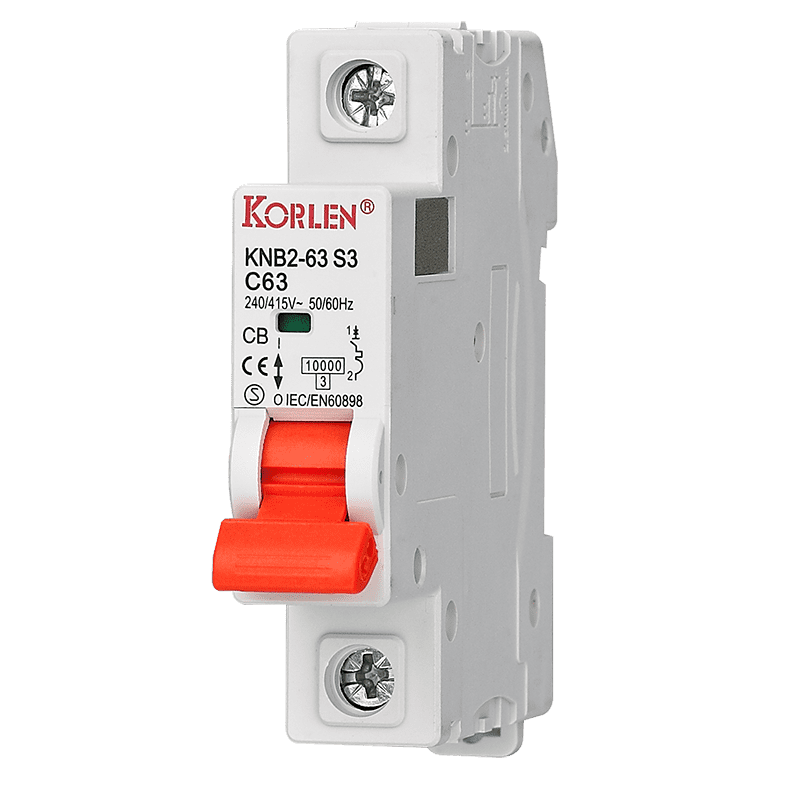
A Miniature Circuit Breaker (MCB) is an automatic switch that protects electrical circuits from overcurrents caused by short circuits or overloads. They are commonly used in residential, commercial, and industrial settings to safeguard against the risks of electrical damage, fires, or electrical shock.
Types of Miniature Circuit Breakers
By Pole Number
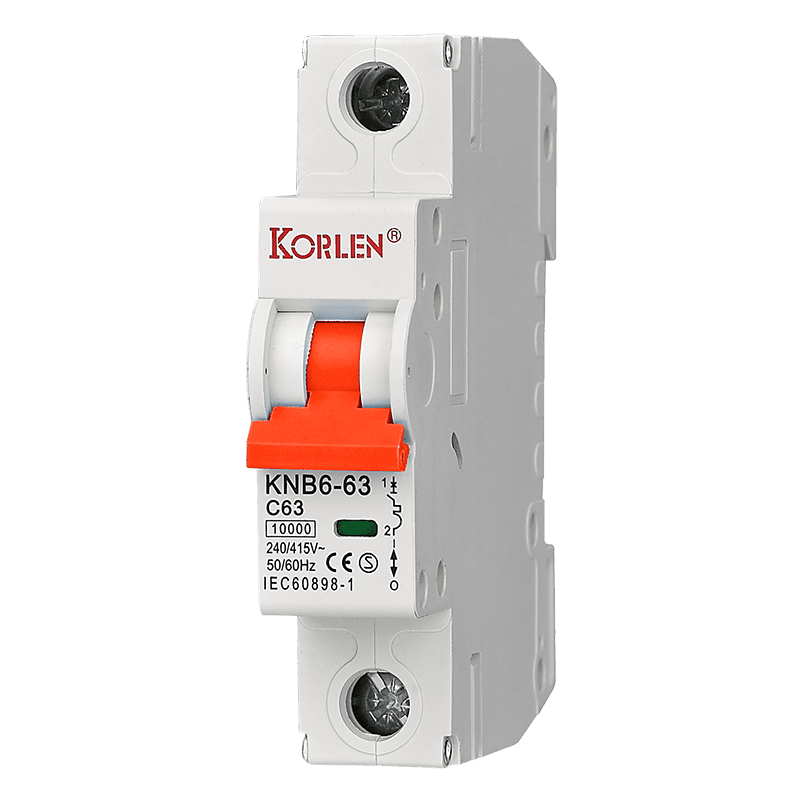
- Single Pole MCB: Protects a single live wire in a circuit.
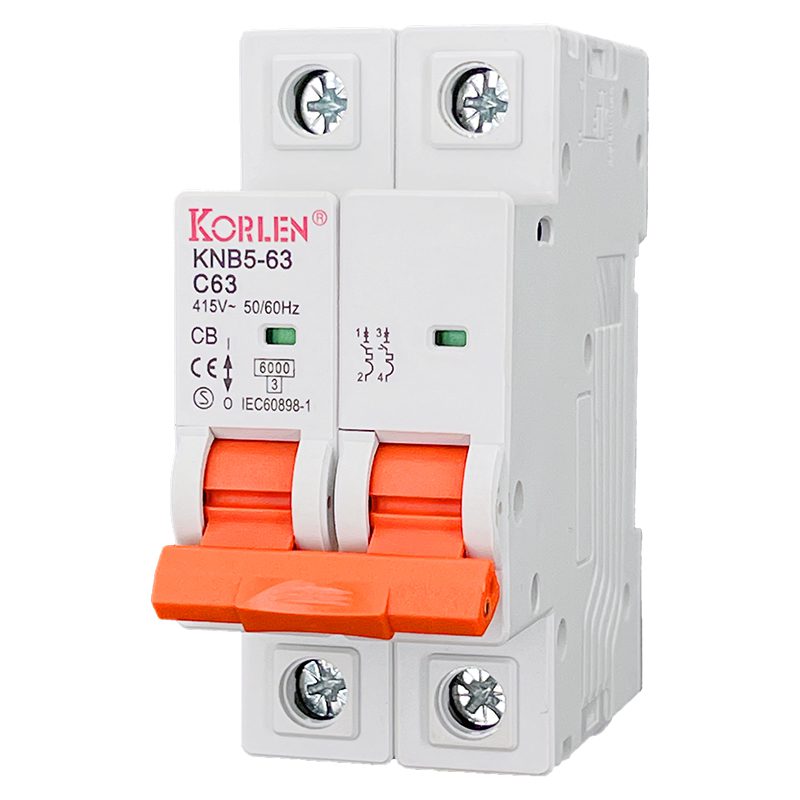
- Double Pole MCB: Protects both live and neutral wires, suitable for 220V circuits.
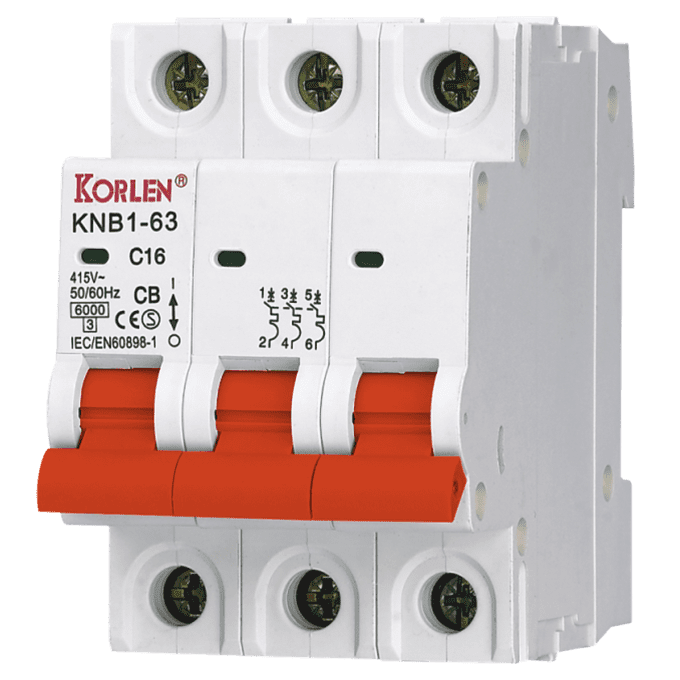
- Triple Pole MCB: Used for three-phase systems.
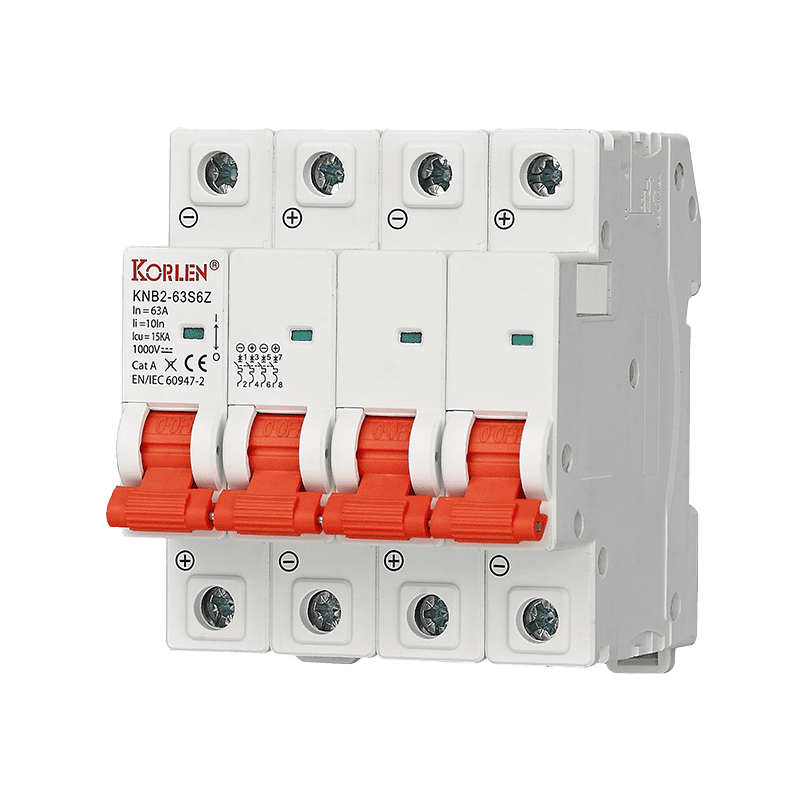
- Four Pole MCB: Suitable for four-phase systems.
By Trip Curve
- Curve B: Designed for residential use, it trips at 3 to 5 times the rated current and is used for lighting and socket circuits.
- Curve C: For general use, trips at 5 to 10 times the rated current and is ideal for appliances with moderate inrush current.
- Curve D: Suitable for circuits with high inrush currents like transformers and motors, tripping at 10 to 20 times the rated current.
By Application
- MCB for Lighting Circuits: Ideal for lighting systems in homes or offices.
- MCB for Socket Outlets: Protects electrical outlets in residential or commercial settings.
- MCB for Air Conditioners: Specifically designed for HVAC systems with higher starting currents.
Key Parameters for Choosing the Right MCB
Rated Current
The rated current refers to the maximum current the MCB can carry without tripping. Choose an MCB with a rated current slightly higher than the expected load for your system.
Breaking Capacity
The breaking capacity indicates the maximum fault current an MCB can interrupt. Ensure the MCB’s breaking capacity is sufficient for your electrical system to prevent damage in case of a fault.
Trip Curve
As mentioned above, MCBs come with different trip curves (B, C, D). Select the right trip curve depending on the nature of your electrical load, such as lighting, appliances, or heavy machinery.
MCB Selection for Residential Projects
For residential projects, consider the following:
- MCB for Lighting: Typically, Curve B MCBs are ideal for lighting circuits to protect against overloads and short circuits.
- MCB for Socket Outlets: Curve B or C MCBs work well for socket outlets.
- MCB Rating: For residential use, 6A to 32A MCBs are commonly used, depending on the load.
- Single Pole or Double Pole: Use single-pole MCBs for simple circuits, and double-pole MCBs for 220V systems.
MCB Selection for Commercial Projects
For commercial projects, the selection process involves considering higher loads and more complex requirements:
- MCB for Equipment: For office equipment, Curve C or D MCBs are preferred.
- MCB Rating: For commercial applications, 32A to 100A MCBs may be required, depending on the size of the installation.
- Three-Phase Systems: Triple-pole MCBs are used in larger commercial buildings with three-phase power systems.
- Higher Breaking Capacity: Ensure that the MCB chosen has a higher breaking capacity for protection against large fault currents.
Best Practices for MCB Installation
- Correct Sizing: Ensure that the MCB’s rated current matches the load on the circuit.
- Proper Wiring: Always ensure proper wiring to avoid overheating or short circuits.
- Compliance with Standards: Adhere to local electrical codes and IEC standards for safety and reliability.
- Professional Installation: Always have a qualified electrician install the MCB to ensure proper functioning.
FAQs
Q: How do I choose the right MCB for residential projects?
For residential use, Curve B MCBs are typically used for lighting and socket circuits, while 6A to 32A ratings are common for household systems.
Q: What is the difference between single pole and double pole MCBs?
A single-pole MCB protects a single live wire, while a double-pole MCB protects both live and neutral wires, ideal for 220V circuits.
Q: Can I use the same MCB for residential and commercial applications?
No, commercial applications often require higher current ratings, breaking capacity, and different trip characteristics. Residential circuits usually require Curve B MCBs, while Curve C or D MCBs are better for commercial applications.
Q: How do I determine the correct MCB breaking capacity?
The breaking capacity should match or exceed the maximum fault current that could occur in your electrical system. For most residential circuits, a breaking capacity of 6kA is sufficient, but for commercial systems, you may need higher ratings.
Conclusion
Choosing the right miniature circuit breaker (MCB) is crucial for ensuring the safety and efficiency of your electrical system. Whether for residential or commercial projects, selecting the appropriate MCB based on trip curves, rated current, and application is essential. With Korlen MCBs, you get reliable, safe, and high-quality circuit protection for your home or business. Ensure you make the right choice for your electrical protection needs.