Introduction
In industrial control panels, ensuring safety and reliability is paramount. Two essential devices for electrical protection and isolation are isolating switches and circuit breakers. While both play a role in safeguarding electrical systems, their functions and applications differ significantly. In this blog, we will explore the key differences, advantages, and applications of isolating switches and circuit breakers, helping you choose the right device for your industrial control panel.
What Is an Isolating Switch?
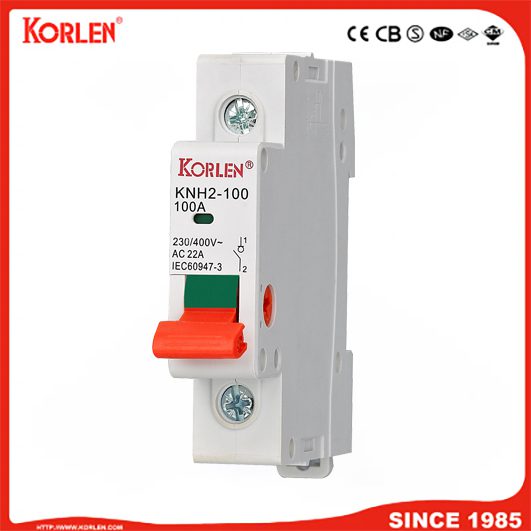
An isolating switch is a safety device used to disconnect power from an electrical circuit. It’s designed to isolate parts of a system for maintenance or during emergencies. The primary function of an isolating switch is to ensure that electrical circuits can be safely worked on without the risk of electric shock. Unlike circuit breakers, isolating switches do not provide protection against faults like short circuits or overloads.
- Function: Isolates electrical circuits during maintenance or when repairs are needed.
- Design: Generally a simple on/off switch, often used in conjunction with circuit breakers for enhanced safety.
What Is a Circuit Breaker?
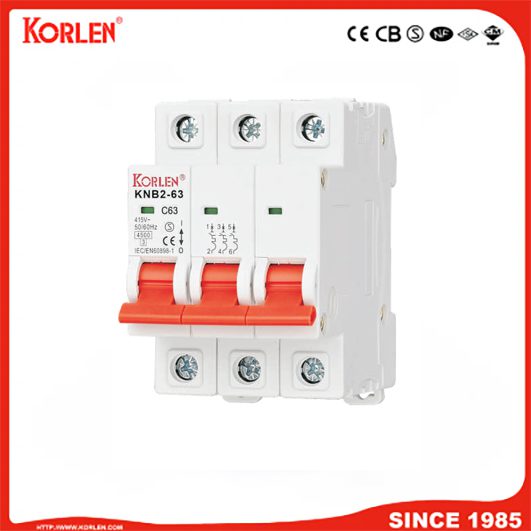
A circuit breaker is a protective device that automatically interrupts the flow of electricity when it detects an overload or short circuit. Circuit breakers are essential for protecting electrical circuits and devices from potential damage caused by abnormal conditions. They provide both protection and isolation, making them vital in industrial applications.
- Function: Protects electrical systems from overloads, short circuits, and electrical faults.
- Design: A more complex device that can trip automatically based on electrical faults, offering both protection and isolation.
Key Differences Between Isolating Switches and Circuit Breakers
|
Feature
|
Isolating Switch
|
Circuit Breaker
|
|
Primary Function
|
Disconnects power for maintenance or safety
|
Protects circuits from overloads and short circuits
|
|
Fault Protection
|
No protection against faults
|
Provides protection against faults like overloads and short circuits
|
|
Response to Faults
|
Manual intervention needed
|
Automatic tripping when faults are detected
|
|
Usage
|
Used in conjunction with breakers for safety
|
Used to protect circuits and devices in case of electrical faults
|
|
Maintenance
|
Typically used for system isolation during repairs
|
Requires periodic testing and maintenance to ensure reliable performance
|
Advantages and Disadvantages of Isolating Switches
Advantages:
- Safety Isolation: Ensures safe isolation of circuits during maintenance.
- Simplicity: Basic on/off operation, easy to use and maintain.
- Cost-Effective: Generally less expensive than circuit breakers.
- No Overload Protection: Ideal for systems where faults and overloads are not a concern.
Disadvantages:
- No Fault Protection: Does not provide protection against overloads or short circuits.
- Manual Operation: Requires manual operation, which could lead to human error.
- Limited Applications: Best suited for maintenance isolation, not for active protection.
Advantages and Disadvantages of Circuit Breakers
Advantages:
- Fault Protection: Provides protection against overloads and short circuits, preventing damage to electrical systems.
- Automatic Operation: Triggers automatically when faults are detected, ensuring fast response and system safety.
- Comprehensive Protection: Can protect sensitive equipment and prevent fire risks due to electrical faults.
- Versatility: Suitable for a wide range of industrial applications.
Disadvantages:
- Cost: Typically more expensive than isolating switches due to their added functionality.
- Maintenance Needs: Requires periodic testing and maintenance to ensure reliability.
Isolating Switch vs. Circuit Breaker: Which One to Choose for Industrial Control Panels?
Both isolating switches and circuit breakers are crucial components in industrial control panels, but they serve different purposes. Here’s how to decide which one is right for your application:
Isolating Switch Applications
- Maintenance: If your primary goal is to safely disconnect circuits for maintenance or repairs, isolating switches are ideal.
- Safety: Use isolating switches in systems where faults are less likely, and you simply need a means to disconnect power safely.
Circuit Breaker Applications
- Fault Protection: If your application requires protection against overloads and short circuits, circuit breakers are essential.
- Continuous Protection: For systems that need ongoing protection against electrical faults, circuit breakers are the more suitable choice.
Applications of Isolating Switches and Circuit Breakers in Industrial Control Panels
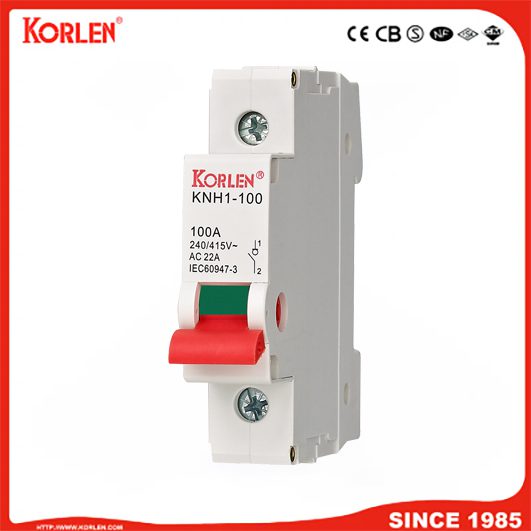
Isolating Switches:
- Used in power supply isolation for equipment maintenance.
- Employed in control circuits where fault protection is less critical.
Circuit Breakers:
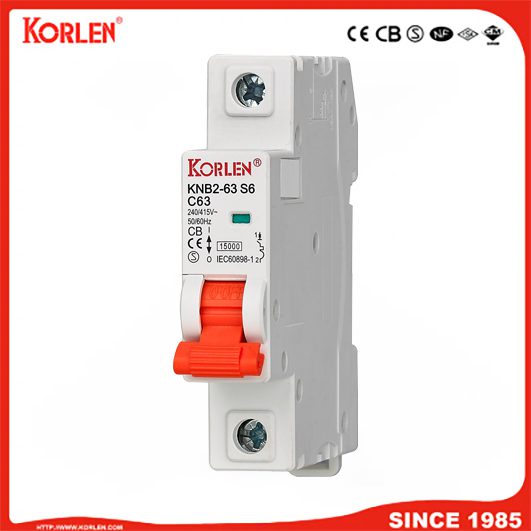
- Protect power distribution systems from overloads and short circuits.
- Used in critical machinery protection, ensuring safe and reliable operation in industrial environments.
Why Choose Korlen’s Products?
At Korlen, we offer premium isolating switches and circuit breakers designed for industrial applications. Whether you’re protecting circuits from faults or ensuring safe maintenance procedures, our products are built to the highest standards of reliability and safety. Choose Korlen for optimal protection in your industrial control panels.
FAQs
Can an isolating switch replace a circuit breaker in an industrial control panel?
No, an isolating switch only isolates power for maintenance, while a circuit breaker protects against faults like overloads and short circuits.
What is the main advantage of using an isolating switch in industrial control panels?
The main advantage is its ability to safely isolate circuits during maintenance without the risk of electrical shock.
Can a circuit breaker be used to isolate circuits during maintenance?
While circuit breakers can isolate circuits, isolating switches are specifically designed for safer isolation during maintenance.
How often should circuit breakers and isolating switches be maintained?
Both should be inspected regularly based on manufacturer recommendations, typically every 6-12 months.
Are isolating switches and circuit breakers compatible with each other?
Yes, they are often used together, with isolating switches for isolation and circuit breakers for fault protection.
Conclusion
When designing or maintaining industrial control panels, both isolating switches and circuit breakers have distinct roles. Korlen provides both high-quality isolating switches and circuit breakers to ensure your systems remain safe and efficient. For complete protection and safety, it’s often best to use both in tandem, with isolating switches for maintenance isolation and circuit breakers for fault protection.