Introduction
Circuit breakers are essential for electrical protection, and understanding how they work can help you choose the right one for your needs. Two important types of protection are magnetic trip and thermal trip. In this blog, we will explain what each of these mechanisms means, how they work, and why they’re crucial for your electrical system’s safety.
What Is a Circuit Breaker?
A circuit breaker is a safety device designed to protect an electrical circuit from damage caused by overload or short circuit. It automatically interrupts the current flow when a fault is detected, preventing further damage. Circuit breakers are essential in both residential and industrial applications for ensuring electrical safety.
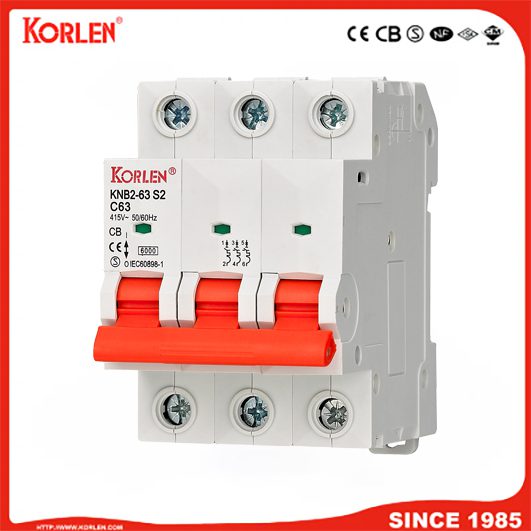
What Is Magnetic Trip in a Circuit Breaker?
The magnetic trip mechanism in a circuit breaker provides protection against short-circuit conditions. When the current exceeds a certain threshold, the magnetic trip mechanism activates, causing the breaker to trip and disconnect the circuit. This type of protection is instantaneous, designed to react quickly to prevent any damage from a short circuit.
Key Points:
- Immediate protection: Magnetic trips are quick-acting, offering immediate protection against short circuits.
- Current-based activation: It works by sensing the strength of the current, tripping when the current exceeds a preset limit.
- No delay: There is no delay in tripping once the current reaches a dangerous level.
What Is Thermal Trip in a Circuit Breaker?
A thermal trip provides protection against overload conditions. It uses a bimetallic strip that bends when it heats up due to excessive current flow. The bending of the strip activates the tripping mechanism, disconnecting the circuit. Unlike the magnetic trip, thermal trips have a time delay to allow temporary overloads to pass without tripping the breaker.
Key Points:
- Slow response: Thermal trips provide a delayed response to allow temporary overloads to pass without disconnecting the circuit.
- Heat-based activation: This mechanism is based on the heat generated by excessive current.
- Prevents damage from overload: It helps protect the circuit from prolonged overload conditions.
How Does Thermal Trip and Magnetic Trip Work in a Circuit Breaker?
Thermal Trip
Thermal trip works through a bimetallic strip that bends when excessive current generates heat. This bending eventually trips the circuit breaker, preventing the circuit from overheating. The thermal protection is useful when the current is slightly higher than normal over a prolonged period, such as when a device is running under load.
Magnetic Trip
Magnetic trip protection relies on a magnetic coil to detect high currents. When a short circuit occurs, the current surges quickly, activating the magnetic trip mechanism instantly. This fast-acting protection minimizes the risk of damage from short circuits.
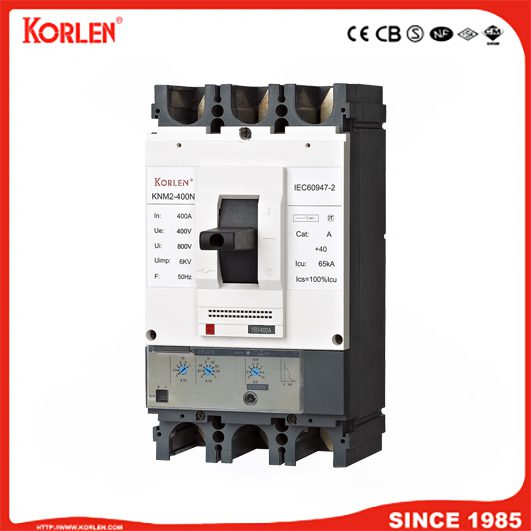
Magnetic vs Thermal Trip
The primary difference between magnetic and thermal trip is the speed of their response. Magnetic trips are instantaneous, providing quick protection from short circuits, while thermal trips are slower but designed to prevent damage from overload conditions. Both types of protection are critical in ensuring the safety and longevity of your electrical systems.
- Magnetic Trip: Instantaneous, responds to short circuits.
- Thermal Trip: Delayed, responds to overloads.
|
Feature
|
Magnetic Trip
|
Thermal Trip
|
|
Protection Type
|
Protects against short circuits
|
Protects against overloads
|
|
Response Time
|
Instant response
|
Delayed response
|
|
Working Principle
|
Detects current strength and trips when it exceeds a preset value
|
Uses a bimetallic strip that bends when heated by excessive current, triggering a trip
|
|
Typical Application
|
Short circuit protection
|
Overload protection
|
|
Response to Overload
|
Quick disconnection to prevent equipment damage
|
Allows short-term overloads to pass without tripping
|
|
Common Use Cases
|
Protects circuits from sudden short-circuit conditions
|
Protects circuits from prolonged overload conditions
|
|
Common Devices
|
Magnetic circuit breakers
|
Thermal circuit breakers
|
Applications of Magnetic and Thermal Trip Circuit Breakers
Thermal-magnetic circuit breakers are widely used in both industrial and residential environments. They’re particularly useful in systems where short-circuit protection and overload protection are equally important. Applications include:
- Residential electrical panels: To protect against overloads and short circuits in home electrical systems.
- Industrial equipment: To safeguard heavy machinery and control panels.
- Data centers: For protecting sensitive equipment from electrical faults.
FAQs
Q:Can a circuit breaker with only a magnetic trip mechanism be used for overload protection?
No, a magnetic trip only provides protection against short circuits. Overload protection requires a thermal trip.
Q:Are thermal-magnetic circuit breakers adjustable?
Yes, many thermal-magnetic circuit breakers have adjustable settings for both the thermal and magnetic trip mechanisms, allowing customization based on the specific needs of your electrical system.
Q:Which trip mechanism is better for my application?
It depends on your needs. If you’re dealing with frequent overloads, a thermal trip is essential. If short circuits are a concern, then magnetic trip protection is necessary. Combining both is often the best approach for comprehensive protection.
Conclusion
Understanding the different trip mechanisms in circuit breakers, such as magnetic and thermal trips, is crucial for selecting the right protection for your electrical systems. While magnetic trips handle short circuits with speed and precision, thermal trips protect against prolonged overloads. Combining both in a thermal-magnetic circuit breaker offers the best of both worlds, ensuring comprehensive safety and reliability.
If you’re looking for high-quality circuit breakers to protect your electrical systems, consider Korlen‘s range of thermal-magnetic circuit breakers. Our products are designed for both residential and industrial applications, ensuring top-tier protection for your systems.