Introduction
When it comes to electrical safety, residual current protection is crucial. Residual Current Circuit Breakers (RCCBs) are designed to protect against electric shocks and prevent electrical fires caused by leakage currents. However, there are various types of RCCBs, and understanding what Type AC, Type A, Type F, and Type B mean can help you choose the right one for your application. This blog will break down the differences and uses of these RCCB types.
What Is a Residual Current Circuit Breaker (RCCB)?
A Residual Current Circuit Breaker (RCCB) is a safety device that detects and disconnects electrical circuits when an earth leakage or residual current occurs. It is used to prevent electric shock and fire hazards by ensuring that any leakage current is rapidly detected and the circuit is disconnected.
RCCBs are essential in protecting both human safety and electrical systems in residential, commercial, and industrial applications.
What Do Types AC, A, F, and B of RCCB Mean?
RCCBs are classified into different types based on their sensitivity to various leakage currents. These classifications are defined as Type AC, Type A, Type F, and Type B. Let’s look at each one:
Type AC RCCB
Type AC RCCB is the most basic and commonly used type. It is designed to detect alternating residual currents (AC) that flow in one direction. This type of RCCB can only detect leakage currents caused by AC electrical systems.
- Function: It trips when it detects alternating current leakage.
- Applications: Used for general domestic and industrial applications where only AC leakage currents are expected.
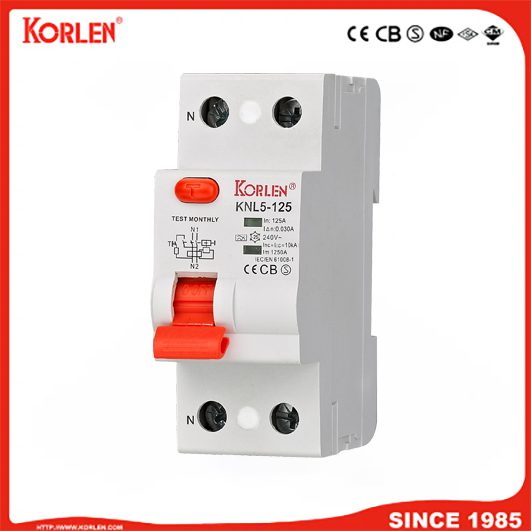
Type A RCCB
Type A RCCB provides more advanced protection than Type AC. It detects both AC residual currents and pulsating DC currents (direct current that fluctuates in magnitude and direction). Type A RCCBs are often used where there is a possibility of both AC and pulsating DC leakage currents.
- Function: Trips when it detects AC leakage or pulsating DC leakage.
- Applications: Suitable for circuits with devices like variable-speed drives, computers, and other electronic devices that might generate pulsating DC leakage currents.
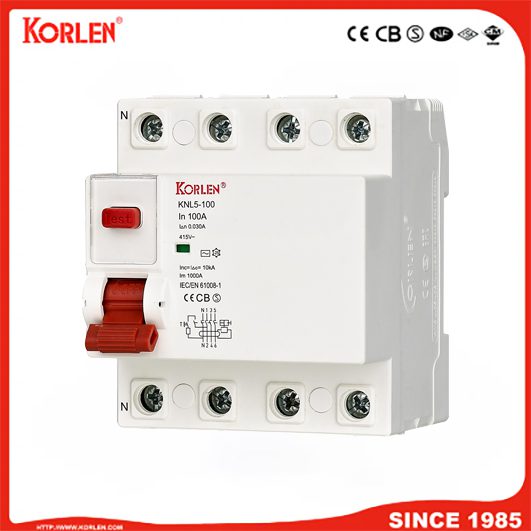
Type F RCCB
Type F RCCB is designed to provide even more sensitivity, particularly in circuits where both AC leakage and smooth DC leakage can occur. These RCCBs can detect both AC and DC fault currents, making them suitable for more complex and sensitive applications.
- Function: Detects both AC and smooth DC leakage currents.
- Applications: Used in circuits with renewable energy sources, such as solar power systems, or other installations that use both AC and DC electrical components.
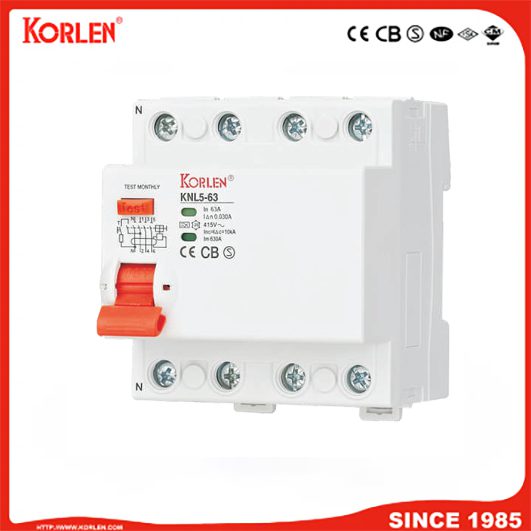
Type B RCCB
Type B RCCB is the most advanced and provides protection against AC, pulsating DC, and smooth DC leakage currents. It is ideal for systems that require high protection against various types of leakage currents, including those in industrial applications with both AC and DC equipment.
- Function: Detects AC, pulsating DC, and smooth DC leakage currents.
- Applications: Commonly used in systems with electric vehicle (EV) chargers, industrial machines, and high-end industrial applications that involve both AC and DC systems.
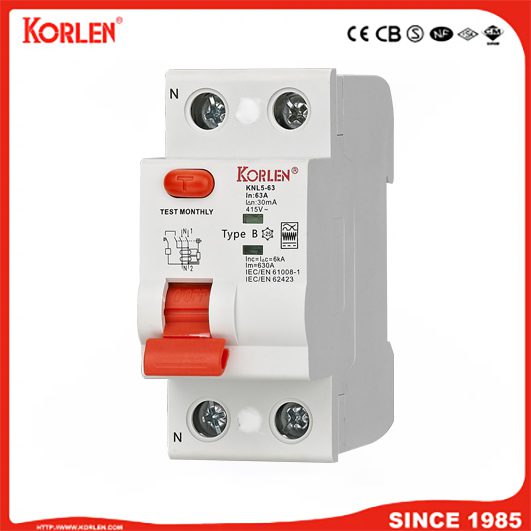
Key Differences Between Types AC, A, F, and B RCCB
|
Feature
|
Type AC
|
Type A
|
Type F
|
Type B
|
|
Leakage Current Type
|
Alternating current (AC)
|
AC + Pulsating DC
|
AC + Smooth DC
|
AC + Pulsating DC + Smooth DC
|
|
Sensitivity to DC Leakage
|
No
|
Yes (pulsating DC)
|
Yes (smooth DC)
|
Yes (AC, pulsating DC, smooth DC)
|
|
Common Applications
|
General domestic and industrial use
|
Domestic, commercial, and light industrial
|
Renewable energy, sensitive equipment
|
Industrial machines, EV chargers, high-end systems
|
|
Protection Level
|
Basic protection against AC leakage
|
Enhanced protection for AC and DC
|
Advanced protection for AC + smooth DC
|
High protection for AC, pulsating DC, smooth DC
|
When to Use Each Type of RCCB
- Type AC RCCB: Ideal for standard AC electrical systems in homes, offices, and general industrial applications where only AC leakage currents are expected.
- Type A RCCB: Use in systems where pulsating DC leakage is likely, such as in installations with electronic devices, variable speed drives, or solar power systems.
- Type F RCCB: Perfect for applications involving both AC and smooth DC leakage, such as solar energy installations, and systems using both AC and DC devices.
- Type B RCCB: Best for complex systems that require protection from all types of leakage currents, including electric vehicle charging stations, industrial machinery, and systems with both AC and DC equipment.
How to Choose the Right RCCB for Your System
Choosing the right RCCB depends on the type of electrical system you’re protecting. Here are some steps to consider:
- Identify the type of leakage current: Determine whether your system is exposed to AC, pulsating DC, or smooth DC currents.
- Assess the application: Consider whether your system involves electronic devices, renewable energy sources, or industrial machines.
- Check regulations: Make sure the RCCB complies with local regulations and standards for electrical safety.
Why Choose Korlen’s RCCBs?
At Korlen, we offer top-tier RCCBs designed to meet the highest safety standards. Whether you need basic protection or advanced features for complex systems, our products deliver reliability and peace of mind. Choose Korlen for all your electrical protection needs.
FAQs
Q:What is the main difference between Type A and Type F RCCBs?
Type A RCCBs detect pulsating DC leakage, while Type F RCCBs detect both AC and smooth DC leakage currents, offering broader protection.
Q:Can Type B RCCBs be used in residential applications?
Type B RCCBs are designed for complex systems and industrial applications but can be used in residential setups involving high-end equipment like EV chargers.
Q:When should I use Type AC RCCBs?
Type AC RCCBs are ideal for standard AC circuits in homes, offices, and industrial applications where only AC leakage is expected.
Q:Can I install Type F RCCBs in solar power systems?
Yes, Type F RCCBs are specifically designed to protect systems that use both AC and smooth DC currents, making them suitable for solar installations.
Conclusion
Understanding the different types of Residual Current Circuit Breakers (RCCBs) is essential to selecting the right protection for your electrical system. Whether you’re installing an RCCB in a home, office, or industrial setting, choosing the appropriate type ensures safety and compliance. Korlen offers high-quality RCCBs, including Type AC, A, F, and B, designed to provide reliable protection for all your electrical applications.