Introduction
When setting up an industrial electrical system, safety and reliability are your top priorities. You may wonder if circuit breakers alone are enough, or if isolating switches are necessary. Using both strategically ensures protection, maintenance safety, and operational flexibility, helping you avoid downtime, equipment damage, or electrical hazards while improving long-term system performance.
What Are Isolating Switches and Circuit Breakers?
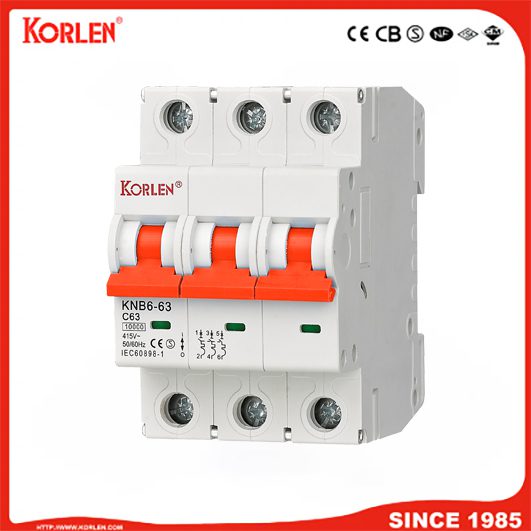
Circuit Breakers
Circuit breakers protect your system from overloads, short circuits, and faults by automatically disconnecting the power. They are essential for preventing equipment damage and maintaining operational continuity.
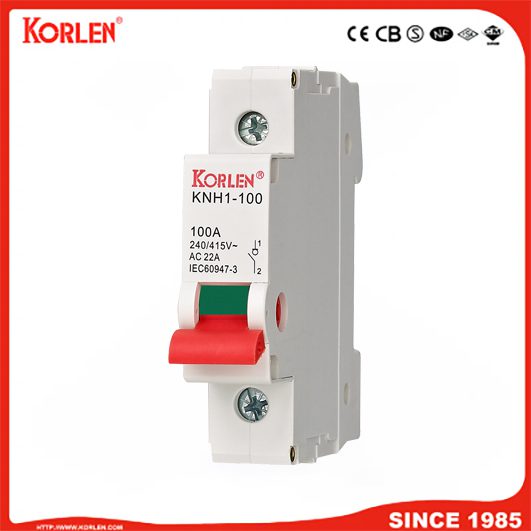
Isolating Switches
Isolating switches provide a manual means to safely disconnect a section of the electrical system. You can use them during maintenance or inspection, ensuring safety even when circuit breakers are present. Unlike circuit breakers, they do not trip automatically—they are purely for controlled isolation.
Why Use Isolating Switches Alongside Circuit Breakers?
|
Purpose
|
Circuit Breaker
|
Isolating Switch
|
|
Fault protection
|
Yes, automatic
|
No
|
|
Manual maintenance isolation
|
Limited
|
Yes
|
|
Safety compliance
|
Partially
|
Ensures lockout/tagout
|
|
Operational flexibility
|
Moderate
|
High, allows selective disconnection
|
|
Use case
|
Prevent overloads, short circuits
|
Safely isolate circuits for maintenance
|
Summary:
Circuit breakers protect your equipment automatically, but isolating switches give you control and safety when servicing or inspecting circuits. Combining them provides both protection and operational flexibility in industrial installations.
Benefits of Using Both in Industrial Systems
- Enhanced safety for maintenance personnel
- Clear operational control over sections of your system
- Compliance with industrial safety standards
- Reduced risk of accidental shutdowns or electrical hazards
- Easier system troubleshooting and upgrades
When to Use Isolating Switches
- When performing maintenance on high-voltage equipment
- When lockout/tagout procedures are required
- To isolate specific sections during upgrades or repairs
- In systems where downtime must be minimized
- When using equipment sensitive to electrical surges or faults
FAQs
Q: Can I rely only on circuit breakers for safety?
Circuit breakers provide automatic protection, but they do not safely isolate circuits for maintenance. An isolating switch ensures personnel safety.
Q: Do isolating switches replace circuit breakers?
No. They serve different purposes—circuit breakers for automatic protection, isolating switches for manual disconnection.
Q: Where should isolating switches be installed?
Install them near equipment or machinery that requires regular maintenance or inspection.
Q: Can both devices be used for low-voltage and high-voltage systems?
Yes, isolating switches and circuit breakers are available for various voltage ratings.
Q: Will using both increase system costs significantly?
The added cost is minimal compared to the safety and operational benefits in industrial environments.
Conclusion
Using isolating switches alongside circuit breakers enhances safety, operational control, and compliance in industrial electrical installations. While circuit breakers automatically protect against faults, isolating switches ensure safe manual disconnection for maintenance and inspection. With korlen products, you can build a reliable and safe electrical system that protects both equipment and personnel.