Introduction
As your industrial business grows, so does the need for robust electrical protection. When upgrading your electrical systems during industrial expansion, you might consider whether to continue using your Molded Case Circuit Breakers (MCCBs) or switch to Air Circuit Breakers (ACBs). This decision is crucial for ensuring the efficiency, safety, and scalability of your operations. In this blog, we will help you determine when it’s time to upgrade from MCCB to ACB and how this upgrade can benefit your industrial expansion projects.
What is an MCCB?
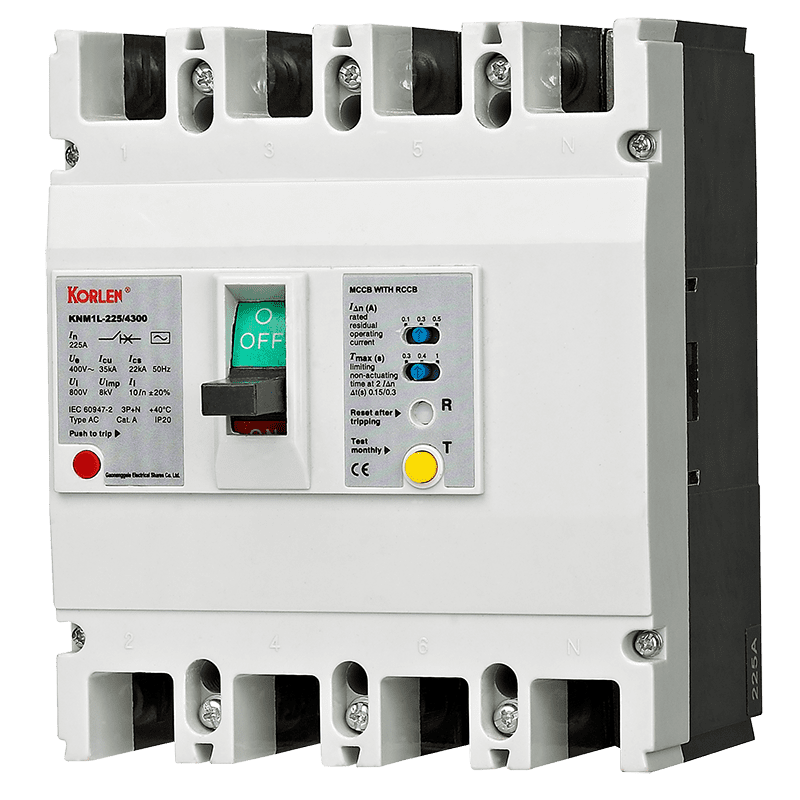
A Molded Case Circuit Breaker (MCCB) is a type of circuit protection device that is commonly used in industrial and commercial applications. MCCBs are designed to protect electrical systems from overloads, short circuits, and other electrical faults. They are ideal for applications with lower power ratings and are typically used in smaller installations.
MCCBs offer adjustable trip settings, allowing users to customize the protection based on the specific needs of the system. However, as industrial operations expand, the limitations of MCCBs, such as their lower fault capacity and inability to handle higher voltages, become more apparent.
What is an ACB?
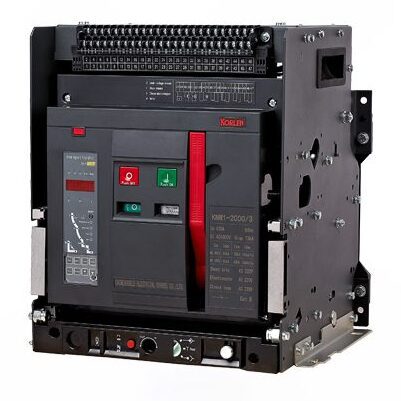
An Air Circuit Breaker (ACB) is a more advanced type of circuit breaker designed for high-current applications. ACBs provide a high level of protection and are capable of handling larger power systems with more demanding electrical requirements. They work by using air as the medium to extinguish the arc during the interruption of current. ACBs are typically used in larger industrial systems where high voltage and high current protection are necessary.
Differences Between MCCB and ACB
While both MCCBs and ACBs serve the same purpose of protecting electrical systems, there are key differences between the two:
- Current Rating: MCCBs typically protect circuits up to 1600 amps, while ACBs can handle much higher currents, often up to 5000 amps or more.
- Size and Design: MCCBs are compact and suited for smaller installations, while ACBs are larger and more robust, designed for heavy-duty industrial applications.
- Arc Extinguishing Method: MCCBs use a thermal-magnetic trip mechanism, while ACBs use air or other mediums to extinguish the arc during the fault condition.
- Trip Settings: MCCBs offer adjustable trip settings, but ACBs have a wider range of settings for more precise protection in high-power systems.
- Cost: ACBs are more expensive than MCCBs due to their higher capacity and advanced features.
When to Upgrade from MCCB to ACB
Upgrading from an MCCB to an ACB is necessary when your industrial system outgrows the capabilities of the MCCB. Here are some indicators that it’s time to make the switch:
- Increased Electrical Load: If your expansion project involves adding more machinery, equipment, or power demand, an MCCB may no longer provide sufficient protection. ACBs are better equipped to handle larger electrical loads.
- High Voltage Requirements: As industrial systems increase in size and voltage requirements, ACBs provide better protection for high-voltage systems.
- Frequent Tripping: If your MCCBs are tripping more frequently, especially during peak load times, this may signal that the breakers can no longer handle the demands of your system, making it time to upgrade.
- Need for More Precise Protection: As your system becomes more complex, you may require more precise protection settings to avoid unnecessary trips. ACBs offer greater customization and finer control over trip settings.
Benefits of Upgrading to ACB
Upgrading to an ACB in your industrial expansion comes with several key benefits:
- Higher Fault Capacity: ACBs can handle larger fault currents, reducing the risk of system damage during short circuits or overloads.
- Improved Safety: ACBs offer superior protection against electrical faults, minimizing the risk of fires, equipment damage, and personnel injury.
- Scalability: As your business grows, an ACB system can easily be upgraded to handle larger electrical loads, providing flexibility for future expansion.
- Better Reliability: ACBs are designed to operate in demanding environments and provide more reliable protection for your electrical systems.
- Energy Efficiency: Some ACBs offer advanced features, such as energy metering and monitoring, helping you optimize energy consumption and reduce costs.
Cost Comparison: MCCB vs ACB
One of the main factors in deciding between MCCB and ACB is cost. While MCCBs are generally less expensive upfront, ACBs are more costly due to their higher capacity and advanced features. However, the long-term benefits of ACBs, such as their ability to handle higher currents and provide more precise protection, may outweigh the initial cost, especially in large-scale industrial operations.
Consider the total cost of ownership, including installation, maintenance, and potential system downtime, when making your decision.
How to Choose Between MCCB and ACB for Your Industrial Expansion Project
To determine whether to stick with MCCBs or upgrade to ACBs for your industrial expansion project, consider the following factors:
- Electrical Load: Estimate the current and future electrical load requirements of your facility.
- Voltage and Power Requirements: Assess the voltage and power capacity needed for your new equipment and machinery.
- System Complexity: Consider how complex your electrical system will be after expansion. ACBs provide better protection for large, complex systems.
- Budget: Evaluate your budget for both initial costs and long-term maintenance. If your budget allows, investing in ACBs may provide greater benefits in the long run.
FAQs
Is it always necessary to upgrade from MCCB to ACB?
Not necessarily. MCCBs are suitable for smaller systems, but if your system’s load, voltage, and complexity increase, an upgrade to ACB may be necessary for enhanced protection.
Are ACBs more difficult to maintain than MCCBs?
ACBs may require more maintenance due to their larger size and advanced features, but they offer better protection and reliability for high-power systems.
How often should I upgrade my circuit breakers?
Upgrading should be done when your electrical system’s capacity exceeds the protection limits of the existing MCCBs, or when the system becomes increasingly complex.
Conclusion
Upgrading from MCCB to ACB is a crucial step in ensuring the safety and efficiency of your electrical systems as your industrial operations expand. While MCCBs are suitable for smaller applications, ACBs provide superior protection for larger, more complex systems, making them the better choice for industrial expansion projects.
At Korlen, we offer a wide range of high-quality ACBs and MCCBs to suit your industrial needs. Choose the right circuit protection solution for your expansion project and ensure the safety and efficiency of your electrical systems. Contact Korlen today to learn more about our products and how we can help you with your electrical protection needs.