Introduction
Effective labeling of circuit protection devices is essential to ensure electrical systems remain safe, efficient, and easy to maintain. Proper labels help technicians quickly identify devices during maintenance, reducing the risk of mis-operations. In this blog, we’ll explain why labeling is critical for circuit protection devices and how it can help prevent costly maintenance errors.
Importance of Labeling Circuit Protection Devices
Labeling circuit protection devices such as circuit breakers, fuses, and isolators is not just a regulatory requirement—it’s a key factor in maintaining a safe and efficient electrical system. Proper labeling provides clear identification for each device, ensuring that technicians can easily and accurately perform maintenance tasks. When labels are missing or unclear, technicians may inadvertently operate the wrong devices, potentially causing damage or safety hazards. This is especially important in complex industrial settings where multiple protection devices are in use.
Key Circuit Protection Devices That Need Labeling
There are several circuit protection devices that should be clearly labeled to prevent mis-operations, including:
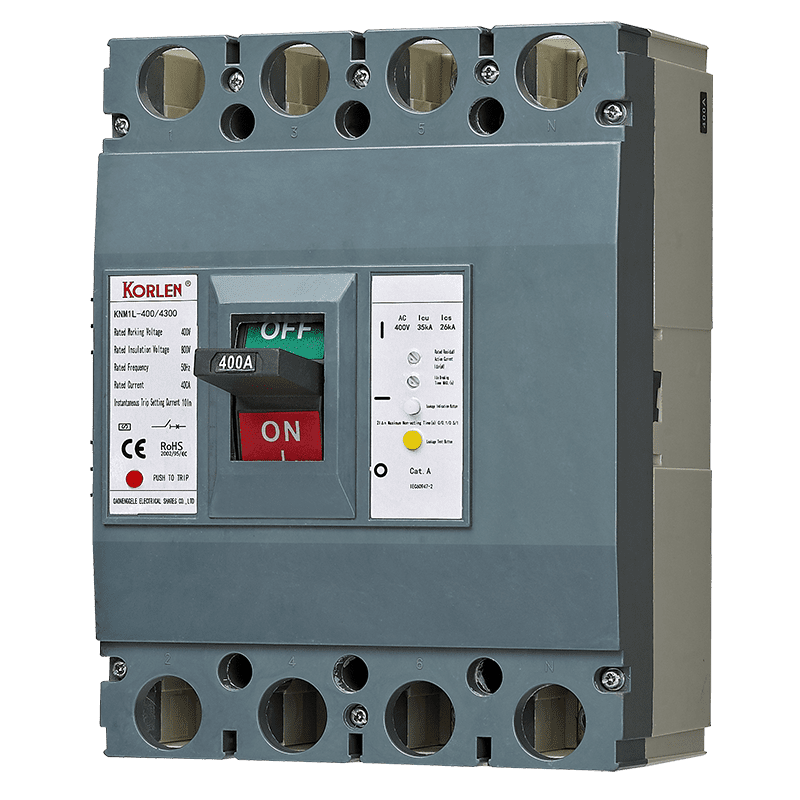
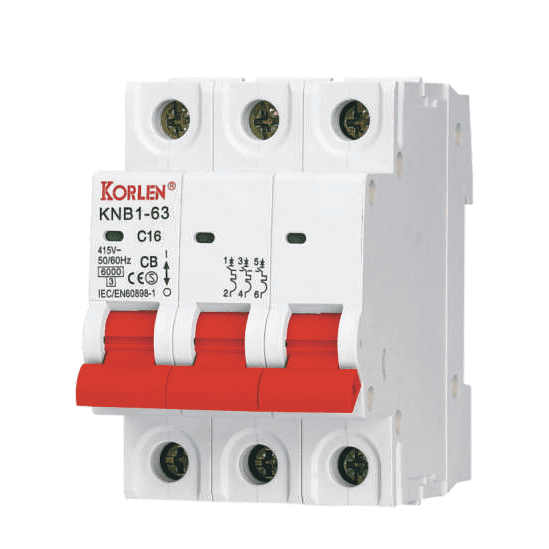
- Circuit Breakers: These are critical for disconnecting electrical circuits in the event of an overload or short circuit.
- Fuses: Fuses protect circuits from excessive current by blowing when the current exceeds a safe threshold.
- Isolators and Switches: These devices isolate sections of the electrical system for maintenance or emergency purposes.
- Residual Current Devices (RCDs): Protects against electrical shocks by detecting earth leakage currents.
- Surge Protection Devices (SPDs): Protects electrical equipment from power surges or spikes.
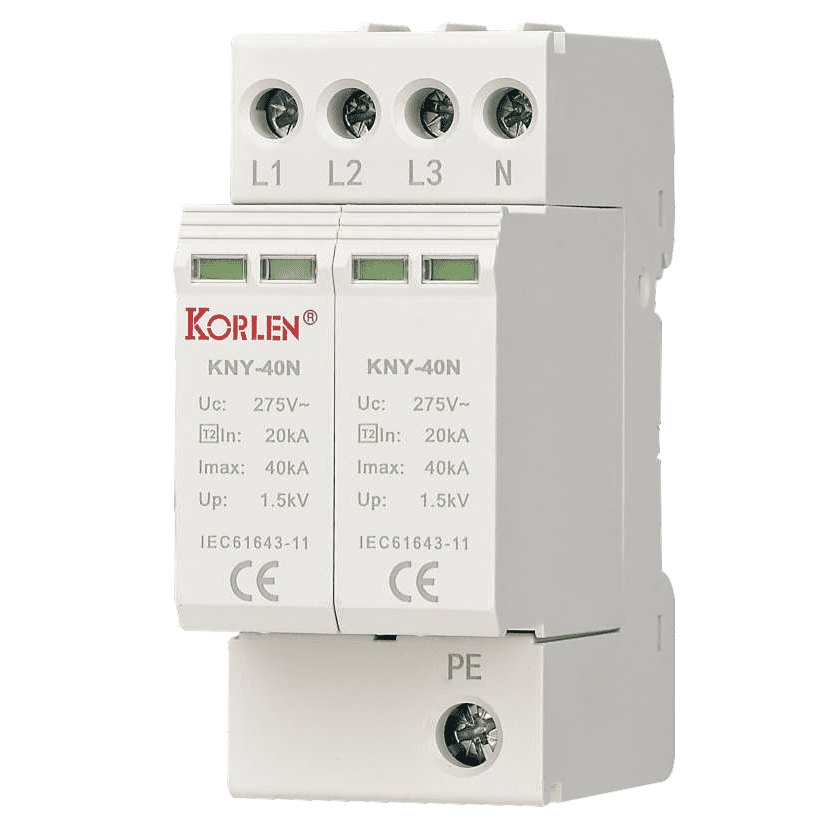
By clearly labeling these devices, you reduce the risk of incorrect operation and improve the overall safety of your electrical maintenance procedures.
Best Practices for Labeling Circuit Protection Devices
To ensure labeling is both effective and compliant with safety standards, consider the following best practices:
- Use Durable Labels: Labels should be made from high-quality, durable materials that can withstand the conditions of your industrial environment (e.g., heat, moisture, and chemicals).
- Include Clear Information: Labels should include key information such as device type, circuit number, and its function. Use color-coding or symbols to help identify different circuits quickly.
- Ensure Visibility: Labels must be placed in visible locations where maintenance personnel can easily access them. Avoid placing labels in hard-to-reach or obstructed areas.
- Standardize Labeling: Adopt a consistent labeling format across your electrical system to reduce confusion. Standardized labels make it easier for technicians to understand and identify devices quickly.
- Update Labels Regularly: As systems change or upgrades are made, ensure that labels are updated accordingly. Outdated labels can lead to confusion and errors during maintenance.
Common Mistakes in Circuit Protection Device Labeling
Even with the best intentions, mistakes can occur when labeling circuit protection devices. Common labeling errors include:
- Illegible or Faded Labels: Labels that become unreadable due to wear and tear can result in technicians misidentifying or misoperating devices.
- Incomplete Information: Labels that are missing key information (e.g., circuit number or device function) can confuse maintenance staff, leading to incorrect operations.
- Incorrect Label Placement: Labels placed in inaccessible or hidden locations make it difficult for technicians to identify the correct devices.
- Non-compliance with Standards: Not adhering to industry labeling standards can lead to safety issues and may violate regulatory requirements.
How Proper Labeling Reduces Maintenance Mis-operations
Proper labeling significantly reduces the risk of maintenance errors in several ways:
- Improved Identification: Clear labels make it easier for technicians to identify the correct circuit protection device during maintenance or emergency situations, reducing the chance of operating the wrong device.
- Faster Response Time: With easily identifiable labels, technicians can quickly isolate problems and perform necessary repairs, minimizing system downtime.
- Enhanced Safety: By ensuring that the right devices are isolated or reset, proper labeling helps prevent electrical accidents, fires, and other safety hazards.
- Minimized Equipment Damage: By accurately identifying circuits and devices, maintenance workers can avoid actions that could damage sensitive electrical equipment, saving costs on repairs and replacements.
Labeling Standards and Compliance
Electrical labeling is subject to specific standards to ensure safety and clarity. In many regions, these standards are outlined by organizations such as:
- IEC (International Electrotechnical Commission): Provides guidelines for electrical safety and labeling.
- NFPA (National Fire Protection Association): Specifies requirements for electrical panel labeling and device identification.
- OSHA (Occupational Safety and Health Administration): Enforces safety regulations that include proper labeling for electrical systems.
Ensuring that your circuit protection devices are labeled according to these standards is not only a best practice but also a legal requirement in many jurisdictions. Compliance reduces the risk of misoperations and ensures that your systems meet safety and regulatory standards.
FAQs
How often should circuit protection device labels be replaced?
Labels should be replaced if they become illegible, damaged, or outdated. Regular inspections will help identify when labels need replacement.
What information should be included on a circuit protection device label?
A proper label should include the device type, its function, the circuit number, and any relevant safety instructions or warnings. Color-coding and symbols can also be used for quick identification.
Can labeling help prevent electrical accidents during maintenance?
Yes, clear and accurate labeling allows technicians to quickly identify devices and avoid mishandling, significantly reducing the risk of electrical accidents.
Conclusion
Labeling circuit protection devices is a simple yet highly effective strategy to improve electrical maintenance procedures and reduce the risk of mis-operations. Proper labeling not only ensures compliance with safety standards but also enhances the safety and efficiency of your electrical system. By following best practices for labeling, you can minimize errors, avoid costly downtime, and improve the overall safety of your electrical maintenance process.
At Korlen, we provide high-quality circuit protection devices with clear, durable labels designed to meet the highest industry standards. Upgrade your electrical system with Korlen’s reliable products and ensure safer, more efficient maintenance. Contact us today for more information on our labeling solutions and circuit protection devices.