Introduction
Choosing the right electrical protection for your system is essential for ensuring safety and cost-efficiency. Many people are torn between using an RCBO (Residual Current Circuit Breaker with Overcurrent protection) or a combination of RCCB (Residual Current Circuit Breaker) with MCB (Miniature Circuit Breaker). In this article, we’ll compare these two options to help you decide which is more cost-effective for your electrical system.
What is an RCBO?
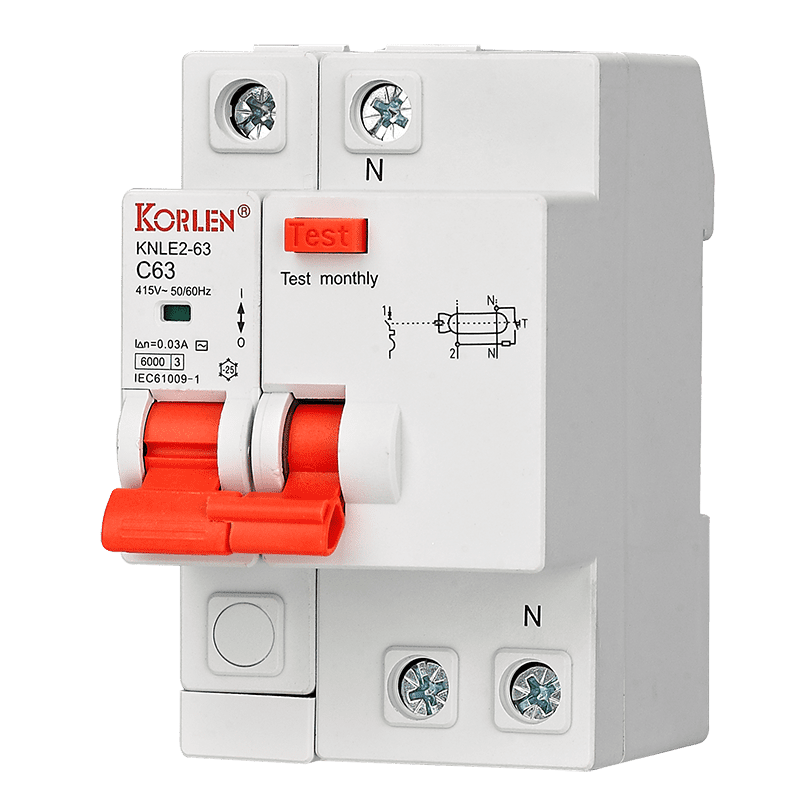
An RCBO combines both overcurrent protection and earth leakage protection into a single device. It is specifically designed to protect against both overloads and short circuits, as well as against electrical shock due to earth faults. RCBOs are commonly used in residential and commercial electrical systems to provide enhanced safety.
What is an RCCB + MCB Combination?
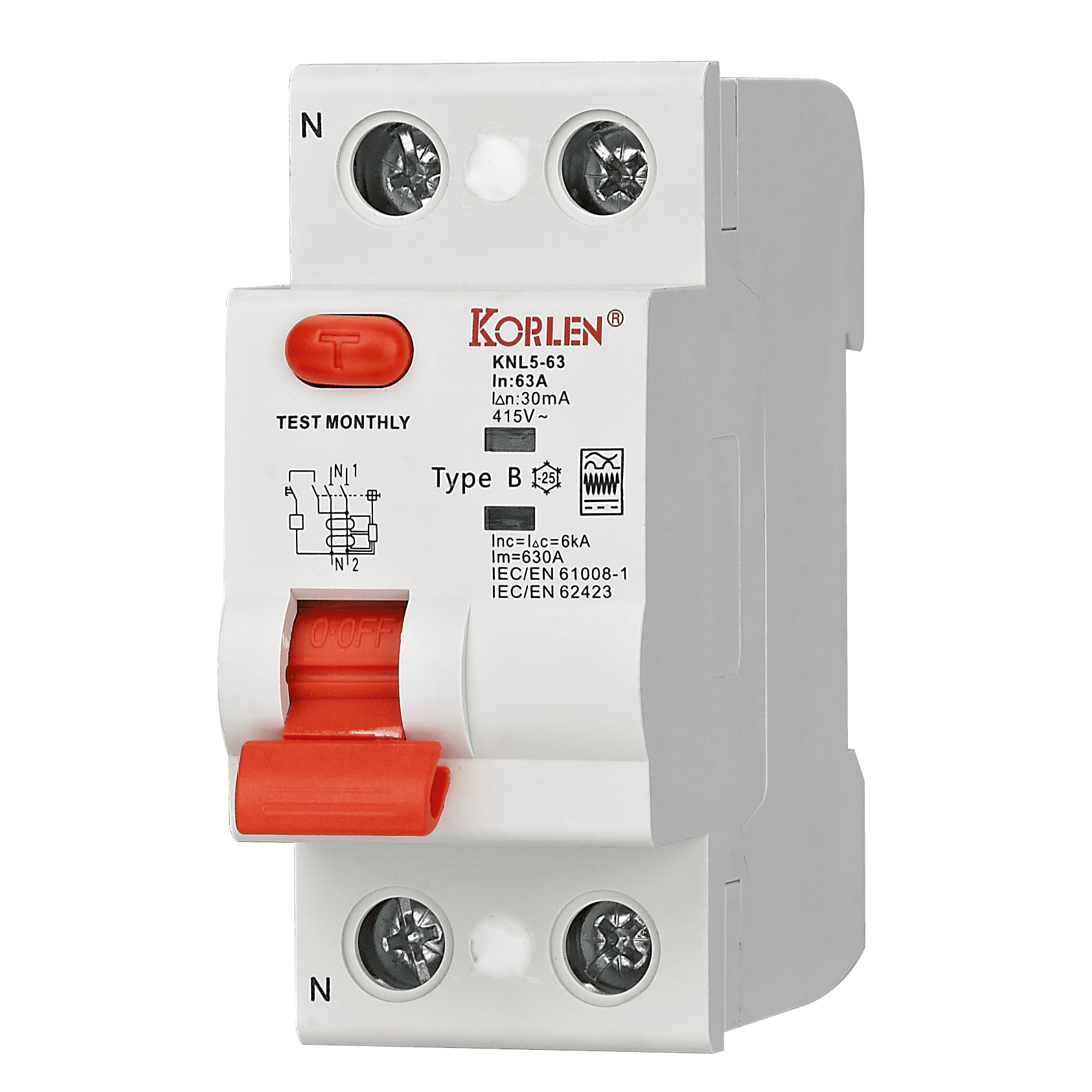
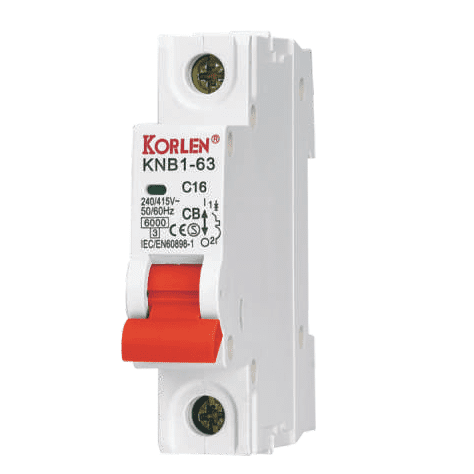
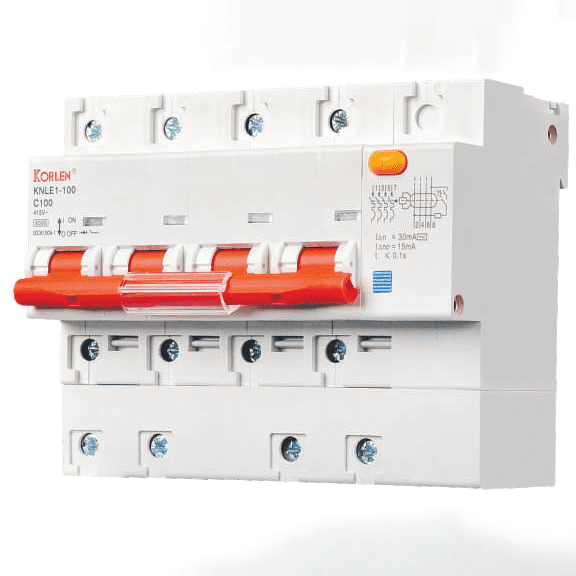
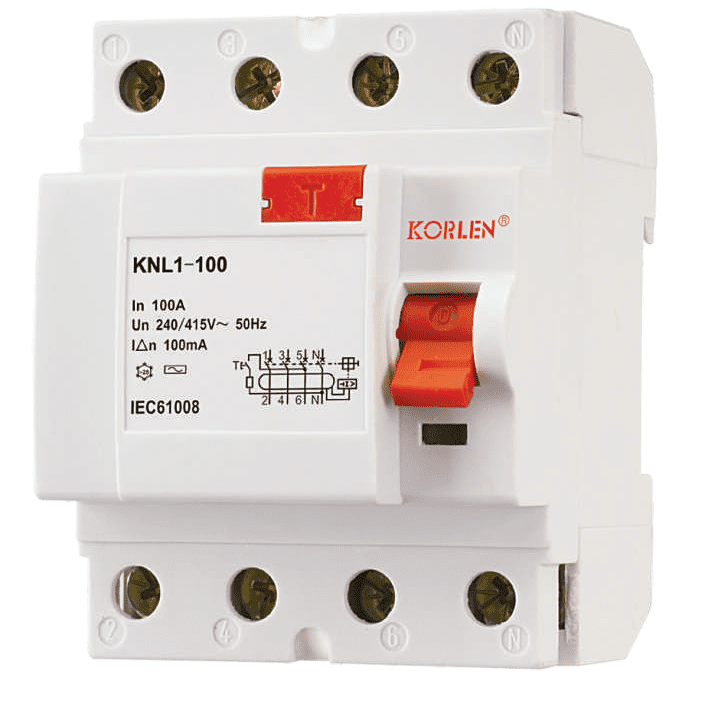
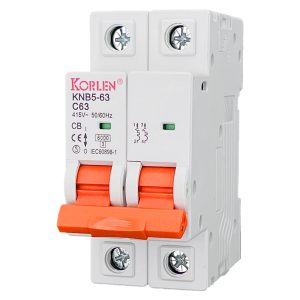
An RCCB is designed to detect and protect against earth leakage faults, which occur when there is an imbalance between the live and neutral wires. An MCB, on the other hand, offers overcurrent protection by disconnecting the circuit when the current exceeds a safe level. Together, an RCCB + MCB combination offers both earth leakage and overcurrent protection.
What is the Key Difference Between RCBO and RCCB + MCB?
|
Feature
|
RCBO (Residual Current Circuit Breaker with Overcurrent Protection)
|
RCCB + MCB Combination
|
|
Protection Type
|
Provides both earth leakage (RCCB) and overcurrent protection (MCB) in one device
|
RCCB provides earth leakage protection, MCB provides overcurrent protection, using two separate devices
|
|
Space Requirement
|
Compact design, saves space in the panel
|
Requires more space as two separate devices are needed
|
|
Installation Complexity
|
Easier and quicker installation, one device to install
|
More complex, requires two devices and additional wiring
|
|
Cost
|
Typically more expensive upfront due to combined functionality
|
Generally lower upfront cost, but involves purchasing and installing two devices
|
|
Flexibility
|
Less flexible; one device for both protections
|
More flexible; can replace or upgrade RCCB or MCB separately
|
|
Panel Configuration
|
Ideal for smaller panels or where space is limited
|
More suitable for larger panels with more room for separate devices
|
|
Maintenance
|
Easier to maintain with fewer components
|
Maintenance may be more complicated as you need to address two devices separately
|
RCBO vs RCCB + MCB: Cost Comparison
- RCBO: Typically, an RCBO tends to be more expensive than an RCCB or MCB when purchased individually. However, since it combines both functions, you might save on installation costs and space, as fewer devices are needed.
- RCCB + MCB: While the cost of RCCB and MCB combined may be lower per unit compared to an RCBO, you will need to install two separate devices, which may increase labor and installation costs. Additionally, it takes up more space in the electrical panel.
Advantages and Disadvantages of RCBO
Advantages
- Space-saving: Since both protections are combined into a single device, it requires less space in the electrical panel.
- Simpler installation: With only one device to install, it is quicker and easier to set up.
- Cost-efficient over time: Fewer components mean lower long-term installation and maintenance costs.
Disadvantages
- Higher upfront cost: The initial cost of an RCBO is generally higher compared to individual RCCB and MCB units.
Advantages and Disadvantages of RCCB + MCB
Advantages
- Lower upfront cost: The individual cost of RCCB and MCB is generally lower compared to an RCBO.
- Modular design: This allows for flexibility in upgrading or replacing individual components as needed.
Disadvantages
- Requires more space: The combination requires two devices, which takes up more space in the panel.
- Higher installation costs: Additional wiring and installation time will be required for two separate devices.
Choosing the Right Protection for Your System
When deciding between RCBO and RCCB + MCB, you should consider your system’s size, the available panel space, and your budget. For smaller systems or those with limited space, an RCBO may be the best option. However, for larger systems with more flexibility in space and budget, the RCCB + MCB combination might be more cost-effective.
Installation and Maintenance Considerations
- RCBO: Simple to install and maintain, with fewer components. However, replacement costs might be higher due to the integrated nature of the device.
- RCCB + MCB: Requires more space for installation but offers more flexibility in maintenance and replacement.
FAQs
Q: Which option is more cost-effective in the long run?
Although the upfront cost of an RCBO is higher, its integrated nature and compact size can save on installation and space costs. Over time, it might be more cost-effective than using an RCCB + MCB combination.
Q: Can I use an RCBO in place of an RCCB + MCB combination?
Yes, an RCBO combines the functions of both an RCCB and an MCB, so you can use it as a replacement for the combination in most situations.
Q: Are there any system sizes that are better suited for one over the other?
Smaller systems with limited space may benefit more from using an RCBO, while larger systems with more flexibility may benefit from using an RCCB and MCB combination.
10. Conclusion
Choosing between an RCBO and an RCCB + MCB combination comes down to your specific system requirements and budget. If you value space efficiency and a simple installation process, an RCBO is likely the best choice. For flexibility and lower upfront costs, RCCB + MCB may be a more cost-effective solution. korlen offers reliable and cost-effective solutions for your electrical protection needs.