- Whatsapp: +86 15967777035
- Email: [email protected]

In industrial systems, electrical components are the backbone of operations. They ensure that machinery, control systems, and other vital infrastructure function efficiently and reliably. High-performance electrical components such as industrial circuit breakers, relays, contactors, transformers, and capacitors are essential for maintaining smooth operations and preventing downtime. In this article, we will explore why industrial electrical components are critical to system efficiency and reliability, and how choosing the right components can help avoid costly failures.
To understand how electrical components impact system performance, let’s look at the most critical components commonly found in industrial electrical systems:
Molded Case Circuit Breakers (MCCBs) are used to protect electrical circuits from overloads and short circuits. These high-performance devices automatically disconnect the circuit in the event of a fault, preventing damage to the equipment and ensuring system reliability. MCCBs are adjustable, allowing for customization based on system needs, making them essential in industrial environments.
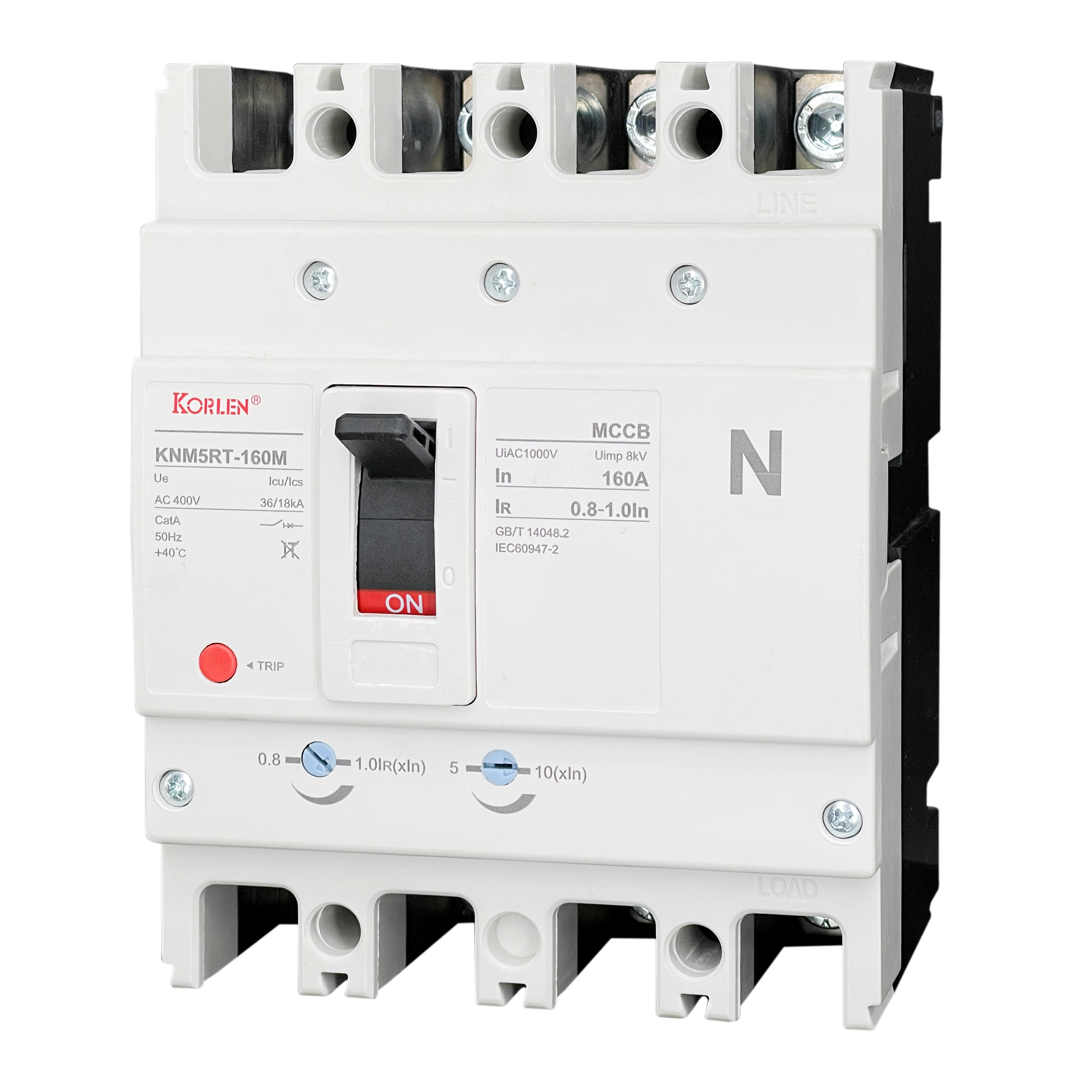
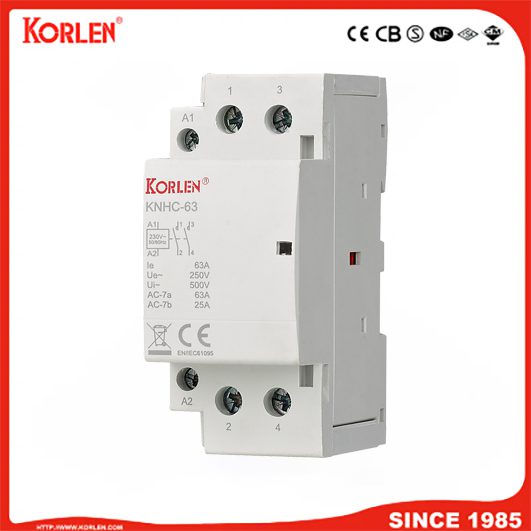
Relays and contactors control the flow of electricity within a circuit, serving as switching devices. They enable automated control of electrical systems, such as starting and stopping motors, lighting control, and protecting circuits from overloads. Without these components, industrial automation would not be feasible, making them integral to system efficiency.
Transformers are responsible for stepping up or stepping down voltage levels to ensure power is delivered efficiently to different parts of the system. Capacitors store and release electrical energy, stabilizing voltage levels and improving power factor. Together, transformers and capacitors contribute to the overall performance and efficiency of the system.
Power distribution components, including busbars, fuses, and distribution boards, help direct electricity where it is needed within the system. They ensure that power is efficiently distributed to various equipment and prevent electrical overloads by isolating faulty circuits. Reliable power distribution components are essential for maintaining uninterrupted system operation.
Electrical protection devices like fuses, surge protectors, and overcurrent protection devices safeguard the system from electrical faults such as short circuits, voltage surges, and overloads. These components are crucial for preventing damage to sensitive equipment and ensuring system longevity.
Industrial automation components, such as programmable logic controllers (PLCs) and sensors, help optimize the performance of machines and equipment by providing automated control and monitoring. These components are central to modern industrial systems, allowing for more precise, efficient, and cost-effective operations.
The efficiency of an industrial electrical system relies heavily on the quality and reliability of its components. High-quality electrical components contribute to:
Optimized Performance: They ensure smooth and continuous operation by minimizing the risk of faults and downtime.
Energy Efficiency: Energy-efficient components reduce power consumption, helping industries save on energy costs while reducing their carbon footprint.
System Longevity: Reliable components reduce wear and tear, leading to a longer operational lifespan for both the electrical system and machinery.
High-performance components are designed to handle the demanding conditions of industrial environments. These components offer several key advantages:
Increased Reliability: High-performance components are less likely to fail, ensuring that the electrical system operates smoothly without interruption.
Improved Efficiency: They can withstand higher levels of stress and deliver power more efficiently, reducing operational costs.
Enhanced Safety: These components often feature advanced safety mechanisms, protecting both workers and equipment from potential hazards.
Electrical protection devices are essential for safeguarding industrial systems from faults. Some of the most important protection devices include:
Fuses protect circuits by breaking the connection when excessive current flows. This simple but effective protection device helps prevent overheating and damage to electrical equipment.
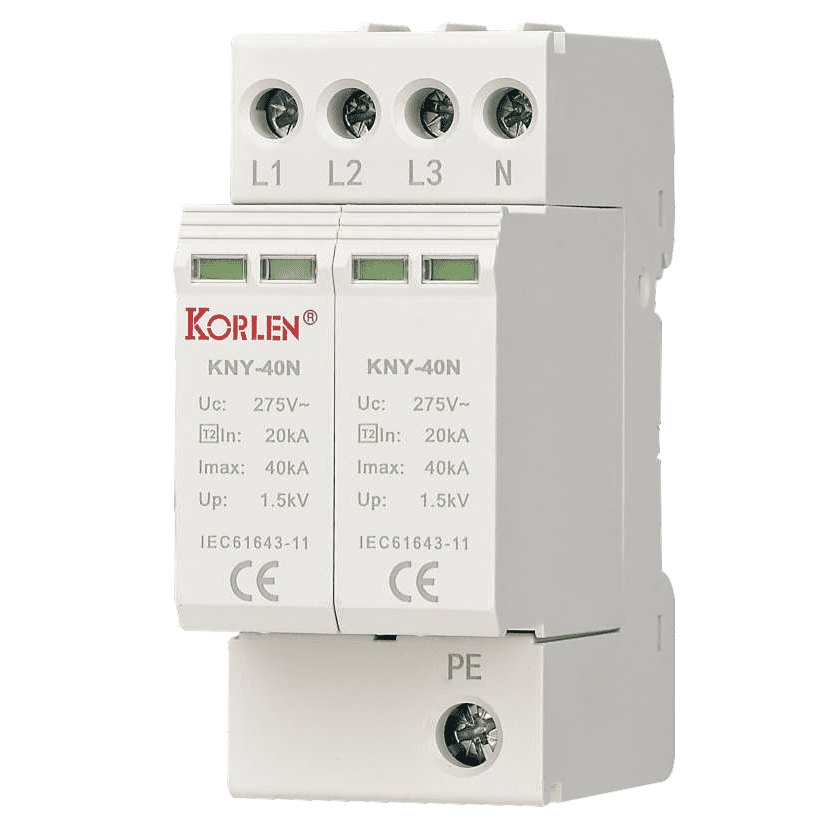
Surge protectors protect the electrical system from voltage spikes caused by lightning or power surges, preventing damage to sensitive equipment.
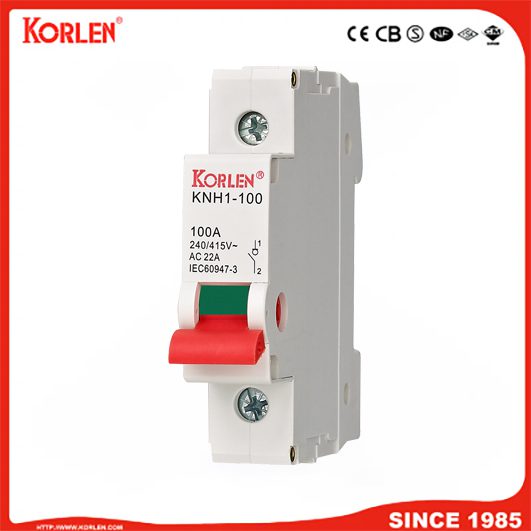
Isolating switches are used to safely disconnect electrical circuits for maintenance or fault isolation. These devices ensure that power is cut off before work begins, protecting maintenance personnel from electric shock.
Overcurrent protection devices automatically disconnect the power supply when the current exceeds safe levels, preventing overheating and potential fire hazards.
Routine maintenance is critical to ensuring the reliability and longevity of industrial electrical components. Regular checks help identify potential issues before they lead to system failures, reduce downtime, and extend the lifespan of components. Proper maintenance includes inspecting components for wear and tear, cleaning contacts, and ensuring that protective devices are functioning as intended.
What types of electrical components are most critical for industrial automation?
Components like relays, contactors, PLCs, and sensors are essential for automation as they allow for the automated control and monitoring of industrial systems.
How can I improve the energy efficiency of my industrial electrical system?
Using energy-efficient components such as high-performance transformers, capacitors, and motors can significantly reduce energy consumption and improve overall system efficiency.
Industrial electrical components are the backbone of system efficiency and reliability. From circuit breakers to transformers and automation components, each part plays a critical role in optimizing performance, enhancing safety, and reducing operational costs. At Korlen, we provide a wide range of high-performance industrial electrical components designed to meet your specific needs. Explore our products today and ensure the reliability and efficiency of your electrical system!
GAONENGGELE ELECTRICAL SHARES CO.,LTD.
Privacy Policy | SiteMap
Copyright GAONENGGELE ELECTRICAL SHARES CO.,LTD.