- Whatsapp: +86 15967777035
- Email: [email protected]

When it comes to industrial electrical systems, safety is the top priority. Choosing the right circuit breaker is crucial to ensuring the protection of equipment, personnel, and the entire system. A circuit breaker automatically shuts off the flow of electricity in the event of a fault, such as an overload or short circuit. With various types and ratings available, selecting the right one can be daunting. This guide will walk you through the factors to consider when choosing a circuit breaker for your industrial electrical system, helping you make an informed decision that meets safety standards and operational requirements.
A circuit breaker is an electrical device designed to protect an electrical circuit from damage caused by overload or short circuit. It automatically interrupts the current flow when an electrical fault occurs, preventing further damage to the system. Circuit breakers are essential for industrial applications where safety, efficiency, and reliability are paramount.
Understanding the different types of circuit breakers available is key to making an informed choice. The right circuit breaker depends on the voltage level, current rating, and the nature of the electrical system. Below are the most commonly used circuit breakers in industrial settings.
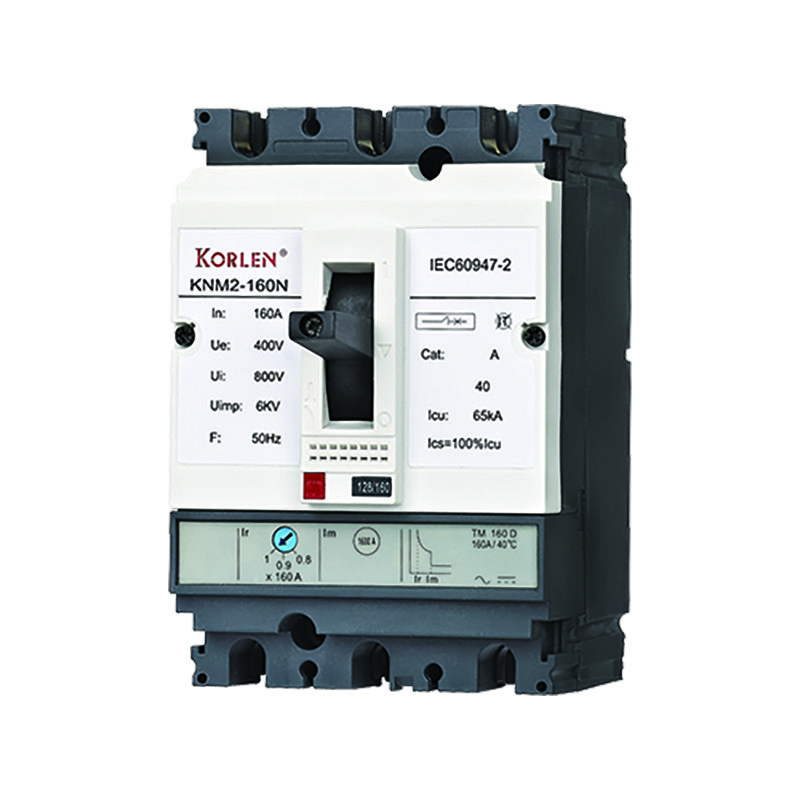
MCCBs are versatile and widely used in industrial settings for protecting circuits from overloads and short circuits. They offer adjustable trip settings, which allow them to be customized to meet the specific needs of an electrical system. MCCBs are ideal for medium- to high-current applications and provide high protection levels.
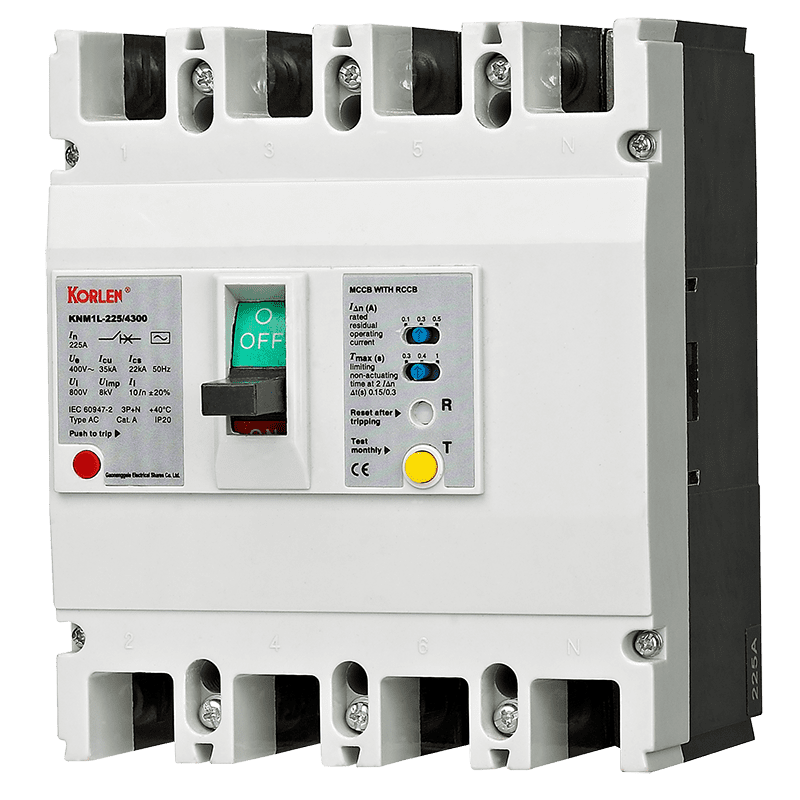
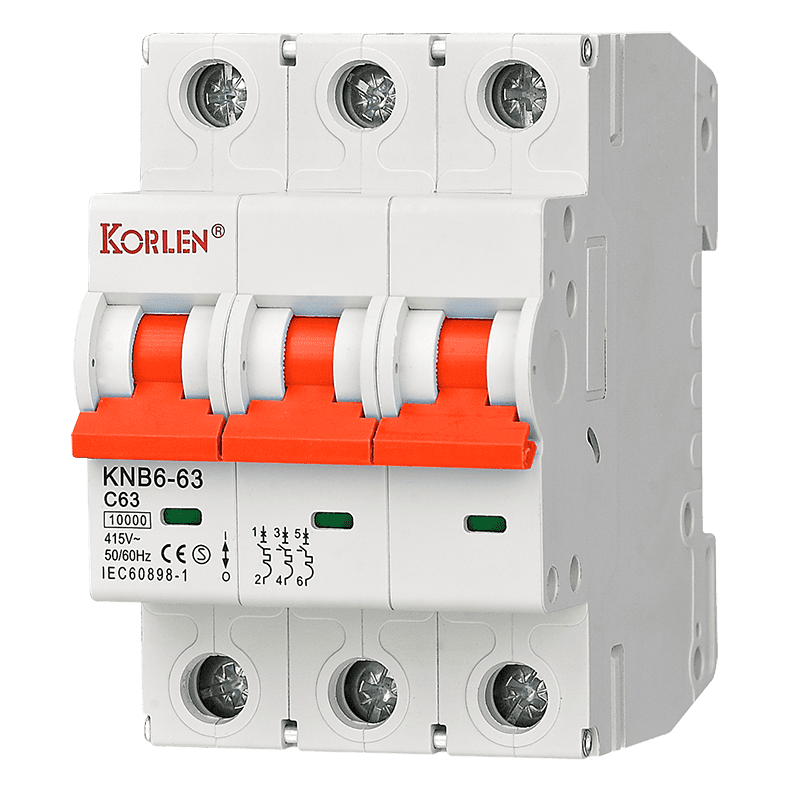
MCBs are smaller in size and are typically used in low-power applications. They are commonly found in residential and light commercial settings, offering protection against overloads and short circuits. While they provide excellent protection for smaller circuits, they are not suitable for high-power industrial applications.
High voltage circuit breakers are designed for applications where the voltage level exceeds 1,000V. These breakers are used in power distribution networks, substations, and high-voltage industrial plants. They are built to handle high currents and interrupt electrical faults in a safe and controlled manner.
Low voltage circuit breakers are used in systems where the voltage does not exceed 1,000V. These are typically found in industrial machines, electrical panels, and low-voltage distribution systems.
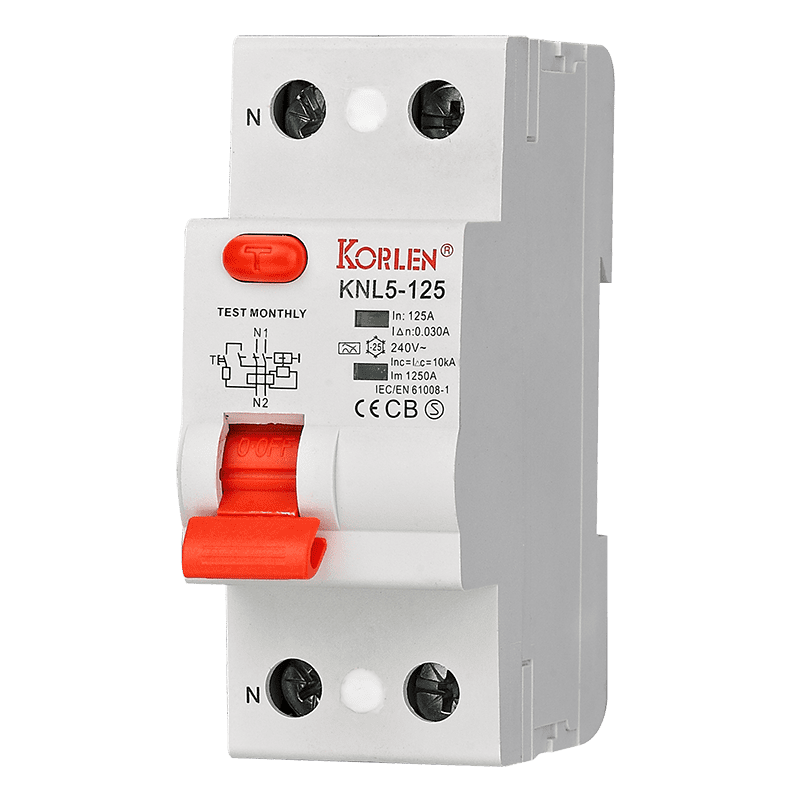
RCCBs provide protection against leakage currents, which can cause electric shock. They detect imbalances between live and neutral currents and disconnect the power supply when a fault is detected. RCCBs are essential for safeguarding personnel in industrial environments.
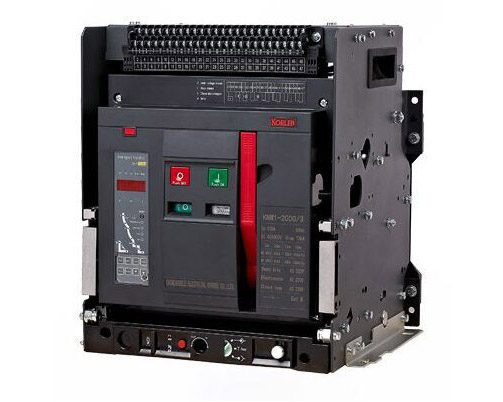
Air circuit breakers are used in high-current, low-voltage industrial applications. They are designed to interrupt currents up to 6,300A and are often used in large electrical distribution panels. Air circuit breakers are known for their ability to handle both overload and short circuit protection in demanding industrial environments.
When selecting a circuit breaker for an industrial system, several key factors must be considered to ensure proper protection:
Current Rating: The circuit breaker must be rated for the maximum current the system will carry. Overrated breakers may not trip in time, while underrated ones could result in unnecessary power outages.
Voltage Rating: Ensure that the breaker can handle the voltage level of your system.
Type of Fault Protection: Determine if you need overload, short circuit, or leakage protection, and choose accordingly.
Environment: Consider the operating environment—indoor or outdoor, exposure to moisture, dust, or chemicals.
Size and Space: The physical size of the circuit breaker should be compatible with the installation space.
Circuit breakers are rated according to their breaking capacity, which indicates the maximum fault current they can safely interrupt. The breaking capacity should be chosen based on the potential fault current of your electrical system. Also, ensure that the circuit breaker meets international standards such as IEC, UL, and ANSI to ensure reliability and safety.
Proper sizing of a circuit breaker is critical to the safety of your electrical system. A breaker should be selected based on:
System Voltage and Current Demand
Fault Current Levels
Load Characteristics (e.g., resistive, inductive)
Ambient Temperature
Consult with electrical engineers or use online sizing tools to determine the correct breaker rating for your application.
Regular maintenance is essential to ensure the reliable operation of circuit breakers. Follow these steps for installation and maintenance:
Installation: Circuit breakers should be installed by a licensed electrician to ensure proper connections and settings.
Inspection: Regularly inspect circuit breakers for signs of wear, rust, or damage.
Testing: Periodically test the breakers to ensure they trip properly under fault conditions.
Cleaning: Keep the breakers clean and free of dust and debris, especially in dusty or outdoor environments.
Can I use an MCB in place of an MCCB?
No, MCBs are designed for lower current applications. MCCBs are more suitable for industrial and high-current applications.
How do I know if my circuit breaker is tripping too often?
Frequent tripping could indicate an overload or short circuit. Consult with an electrician to investigate the cause and prevent damage to your system.
Can I install circuit breakers myself?
Circuit breakers should be installed by a qualified professional to ensure they are properly rated and wired for safety.
Choosing the right circuit breaker is essential for the safety and efficiency of your industrial electrical system. With Gaongele Electric’s high-performance circuit breakers, you can ensure optimal protection and reliability.
Explore our wide range of industrial circuit breakers, including MCCBs and ACBs, all designed to meet international standards. Visit our website or contact our sales team today to find the perfect solution for your electrical needs!
GAONENGGELE ELECTRICAL SHARES CO.,LTD.
Privacy Policy | SiteMap
Copyright GAONENGGELE ELECTRICAL SHARES CO.,LTD.